

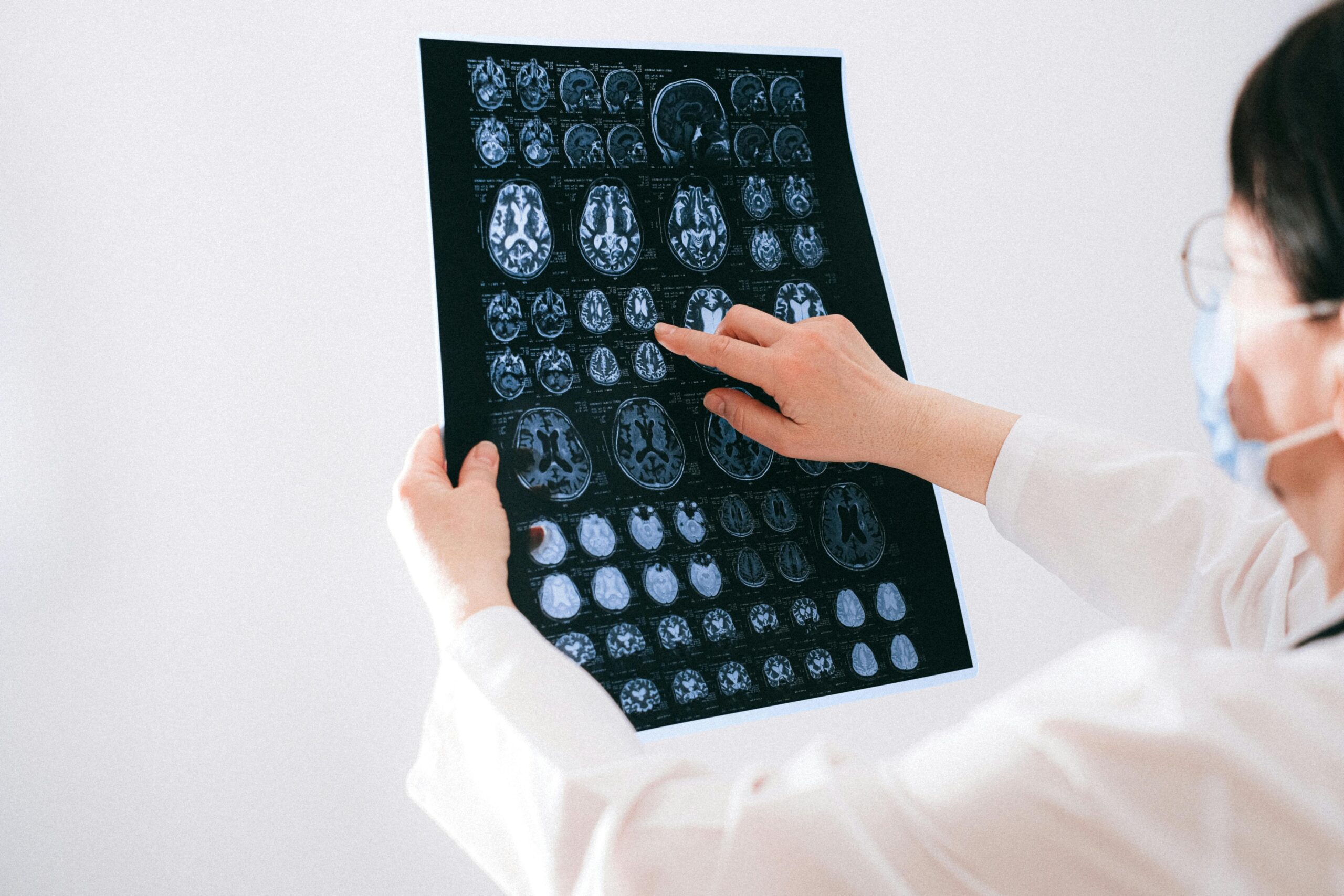
By the time classic symptoms of the neurodegenerative disease Parkinson’s appear, tremor, stiffness and slowness, up to 80% of a person’s dopamine-producing neurons may already be gone. But how can we halt the process of a disease which can quietly progress for years before anyone notices something is wrong?
The answer could be found in Artificial Intelligence (AI), which is now capable of detecting the disease far earlier than was previously possible, offering high potential in transforming patient care and allowing for tailored treatment.
Although the exact process that triggers Parkinson’s disease remains unclear, two main biological pathways have been strongly implicated: the accumulation of toxic alpha-synuclein and mitochondrial dysfunction that deprives brain cells of the energy they need to survive. Parkinson’s affects every patient differently, with a mixture of motor symptoms (tremor, stiffness and slowness of movement) and non-motor symptoms (fatigue, sleep disturbances, depression, anxiety and cognitive changes). The presentation of the disease can vary widely, with some patients experiencing motor symptoms much later in the disease’s progression and in a milder form; this variety is one of the biggest challenges in recognising the disease early.
The delay in diagnosis is one of the biggest challenges for researchers. Motor symptoms are typically the signs people look for and often lead to diagnosis; however, they tend to appear only after 40-50% of dopamine-producing neurons have already been lost, and sometimes this number can be as high as 80%. Damage often becomes irreversible long before a patient receives a Parkinson’s diagnosis, as years and years of silent progression can pass by, killing the majority of dopamine-producing neurons, which cannot be regenerated. However, this is where AI offers a promising new direction.
Artificial Neural Networks (ANNs) are the form of AI most frequently used in medicine; they offer a way forward to treatment and present new horizons for researchers and patients alike. ANNs use layers of interconnected ‘neurons’ to process and learn patterns from data, allowing ANNs to mimic the function of the brain. During the training process for these AI systems, the network adjusts the connections between different data points to reduce errors and improve accuracy.
A landmark study published in Nature Medicine in 2022 demonstrated the potential of AI-enabled diagnostic tools through the use of neural systems to accurately and reliably identify and diagnose patients with Parkinson’s disease during sleep based on their breathing patterns. The accuracy of this model was 90%, and it was also shown to successfully estimate symptom severity and track the progression via the MDS-UPDRS clinical scale [MDS-Unified Parkinson’s Disease Rating Scale], the most widely used scale for Parkinson’s disease.
Beyond early detection, AI holds promise across the full course of the disease. It can enrich current palliative and curative care strategies, improve treatment of symptoms by identifying what each patient would need the most, assess disease stages quickly, support clinicians’ care and support the overall development of new therapeutic approaches. However, early detection remains one of the most exciting avenues, due to the current challenges the Parkinson’s community faces in diagnosis.
Another innovative approach uses images of engineered brain cells derived from stem cells to mimic Parkinson’s disease. In this study, AI was trained on both healthy engineered neurons and those with specific defects engineered to cause damage, such as mitochondrial dysfunction or alpha-synuclein abnormalities. When the system was shown new images it had not seen during training, the AI could determine whether cells were healthy or affected by Parkinson’s and accurately identify which pathway had been disrupted – achieving 95% accuracy. Although this specific method requires further testing and validation using cells directly from patients, it shows promise for future personalised diagnostics and targeted treatments.
Personalised medicine is a valuable tool in the fight against the disease; the variation in symptoms among Parkinson’s patients means that one treatment cannot suit all. Approaches tailored to the individual enable clinicians to customise treatments to each person’s unique needs, thereby improving symptom management, slowing disease progression, enhancing quality of life, and reducing side effects.
The use of AI is not limited to Parkinson’s disease; it has also shown promise in various other neurodegenerative diseases. Alzheimer’s, like Parkinson’s, often has a prolonged pre-symptomatic phase, where brain changes start up to 20 years before symptoms appear. Early diagnosis would allow for early intervention and directly improve patients’ quality of life. AI is currently being developed to help clinicians identify the earliest signs of the disease, using vast amounts of patient data to help the system identify the physical structure and chemical makeup of the brain. For example, a project by Professor Geoff Parker at UCL is developing faster MRI scans using AI to diagnose Alzheimer’s disease, presenting an exciting avenue for rapid and cost-effective diagnosis.
However, despite the hope innovation in AI offers, it is essential to acknowledge that significant concerns persist regarding the implementation of AI in clinical settings, particularly with respect to data security and ensuring that the substantial data load required to sustain AI systems remains safely protected from cyberattacks or malware. Additionally, challenges related to transparency, bias and the potential for misinterpretation of AI-generated outputs highlight the need for robust regulation and strong human oversight.
AI won’t replace neuroscientists, neurologists or clinicians; it isn’t able to replicate empathy, clinical judgement or understanding that guides treatment in the way humans can. However, used responsibly, it could become one of the most important tools in the fight against diseases where time is of the essence.
For diseases like Parkinson’s and Alzheimer’s, where early intervention makes a huge difference, AI could offer patients more time, early care, personalised treatment and an improved long-term quality of life. The only question remaining is whether we and our healthcare system are ready to implement it safely.