
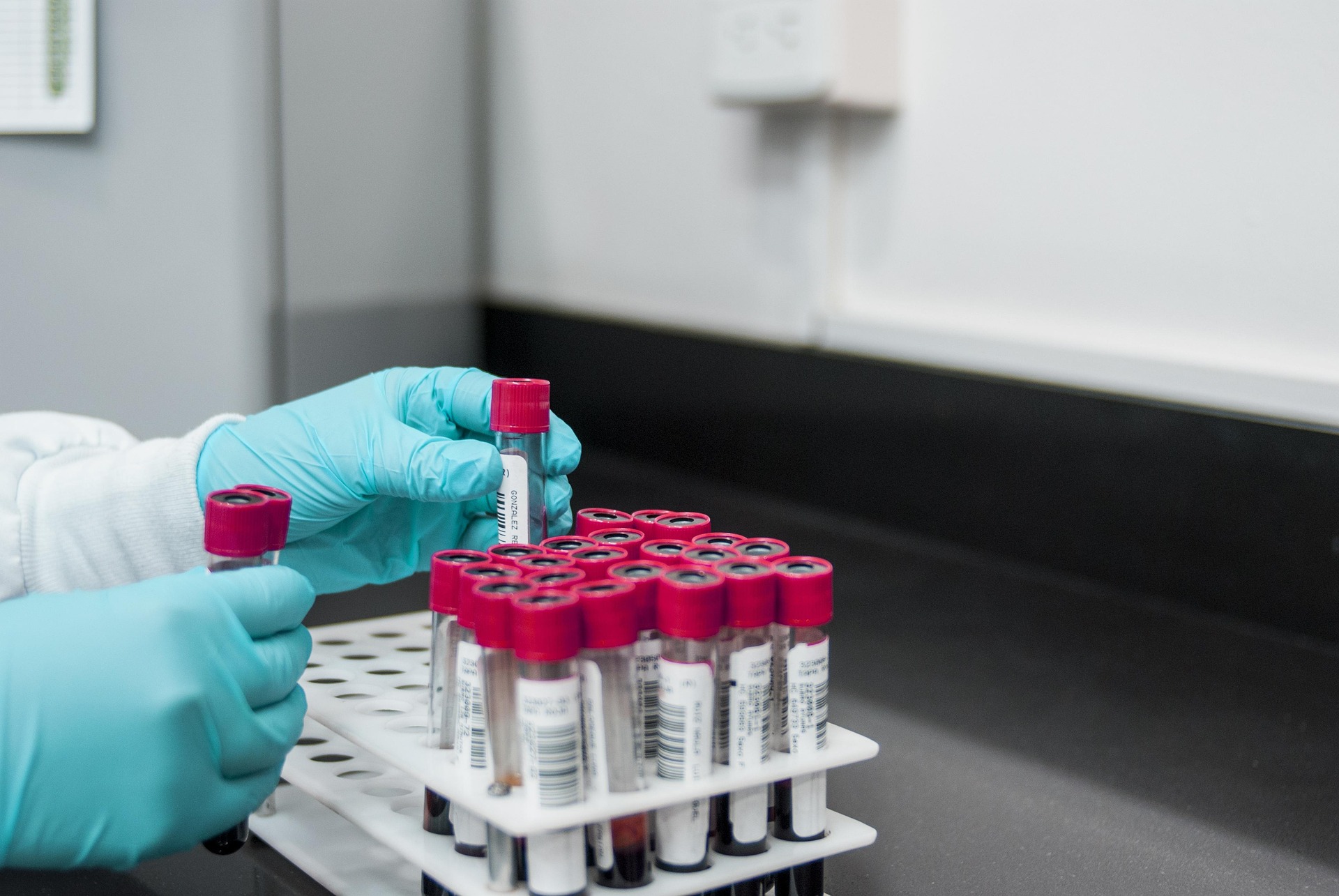
What if a simple, quick and routine blood test could reveal the earliest signs of dementia years before symptoms begin? With 1 in 3 people with dementia living without a diagnosis, it sounds too good to be true; however, it may be becoming a reality.
For decades, scientists have searched for a quick and reliable way to detect Alzheimer’s disease, the most common form of dementia, accounting for 60-70% of all cases. Yet diagnosis often comes too late; only after families start noticing forgotten names, misplaced items, and growing confusion, indicating the disease has already inflicted significant damage on the brain.
Dementia, the leading cause of death in the UK, is not a single condition; instead, it is an umbrella term that covers a range of brain disorders, including but not limited to Alzheimer’s, frontotemporal dementia and Lewy body dementia. The unifying factor for these diseases is the devastating memory loss and the drastic changes to quality of life that follow. However, what differs with Alzheimer’s is how difficult it is to diagnose, due to its complex causes and gradual symptoms. It is widely accepted that the primary hallmarks of Alzheimer’s are mostly a buildup of amyloid plaques and tau tangles in the brain that disrupt cell function; these proteins lead to neuron death and a progression of the disease’s symptoms. Often, a confirming diagnosis can require expensive brain scans or invasive tests. For years, that’s been the status quo. Now, researchers have broken a seemingly impossible barrier – could a few drops of blood change everything we know about Alzheimer’s diagnosis?
So, what exactly is this new test – and how does it work?
In May 2025, the FDA approved the world’s first blood test to help diagnose Alzheimer’s disease. The test, officially known as the Lumipulse G pTau217/ß-Amyloid 1-42 Plasma Ratio, offers individuals a less invasive and more accessible alternative to historical diagnostic measures, such as PET scans or cerebrospinal fluid (CSF) analysis.
The science behind the test can be explained through knowledge of the hallmarks previously mentioned – tau tangles and amyloid plaques. The test measures two blood proteins that originate from the brain: phosphorylated tau (pTau217) and β-amyloid 1-42. Through analysis, the ratio between the two proteins is calculated, and the results allow clinicians to estimate whether amyloid plaques are likely to be present in the brain.
Clinical trials for this diagnostic tool have shown promising results. In one study with 499 participants, 91.7% of people with a positive result were confirmed to have amyloid plaques by PET or CSF testing. Meanwhile, 97.3% of those with a negative result showed no signs of plaque buildup. Furthermore, less than 20% of the participants received inconclusive results. Together, the data suggest that this test can reliably indicate the presence or absence of Alzheimer’s pathology.
However, it is still not perfect. False positives and negatives can occur, meaning some patients may undergo unnecessary procedures, or worse, experience a delay in diagnosis. For now, experts widely agree that while these blood tests can assist in diagnosis, they cannot fully replace the imaging and CSF methods historically used. This is not to say that scientists are not working to improve the accuracy and specificity of the tests to refine the technique.
Unfortunately, the UK is not in the same position as the USA, with the test not yet approved for widespread use throughout the country. However, ADAPT, a major UK trial team, has validated the accuracy of the science and is now conducting a trial to provide UK-based evidence that the test is accurate, cost-effective and should be part of NHS memory care. According to the Alzheimer’s Society website:
“It is planned that there will be 1,100 participants who will take part in this trial to assess whether providing early results helps speed up diagnosis, guide decisions about further investigation, and influences how both patients and clinicians interpret and respond to the results” additionally assessing “the impacts of blood tests on quality of life using EQ-5D-5L, a standardised instrument for measuring health-related quality of life”.
Overall, a new diagnostic test could not come at a better time; only 2% of people diagnosed with Alzheimer’s will have access to the expensive “gold-standard” diagnostic tests. For families facing the uncertainty of dementia, a drop of blood could one day mean an answer, and a chance to plan for the future. It is unclear when the blood tests will be available in the UK, with the NHS stating 2029 as the goal release year due to the large-scale and multi-year trial needed to demonstrate the test’s accuracy and clinical integration.
Crucially, more action is needed by the NHS and the Government to step up and speed up trials and subsequent approval for such important tests. Alzheimer’s Research UK launched the Dementia Unseen campaign to call for reform from the government over the next 10 years to ensure the NHS can deliver faster, more accurate dementia diagnoses.
Alzheimer’s Research UK is currently campaigning for the Government to prioritise dementia and guarantee the right to an early, accurate diagnosis for everyone. To discover more about how, despite the best efforts of professionals, the health system often leaves many health issues unseen and undiagnosed, and how Alzheimer’s Research UK seeks to change this, check out their campaign and petition.