
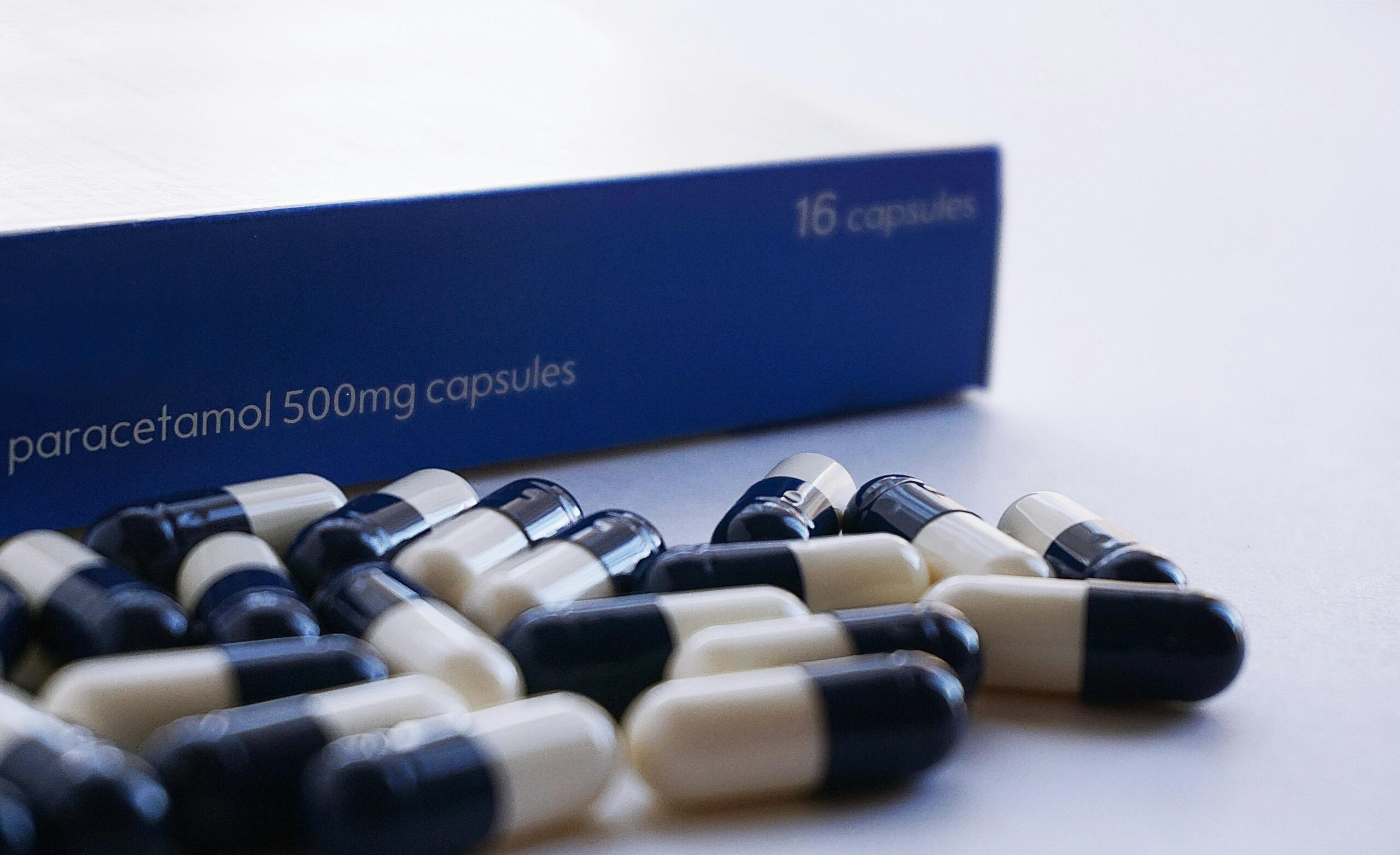
In the clamour of modern discourse, where celebrity pronouncements can often drown out scientific consensus, few topics have been so persistently mired in controversy as the causes of autism. Long before his political ascent, Donald Trump was a vocal proponent of the thoroughly discredited theory linking vaccines to the condition. Now the Trump administration is championing a new fringe theory: that paracetamol could be a ‘root cause’ of autism. RFK Jr and Trump also claim that the solution is folinic acid (also known as leucovorin), as it can counteract the effects. This notion, however, is not only unproven, it misunderstands the complex nature of autism but also the fundamental pharmacology of the substances involved – something experts all over the world have been quick to clarify.
“I trust doctors over President Trump, frankly, on this.”
UK Health Secretary Wes Streeting
To begin, one must grasp a simple, unassailable historical fact: autism predates paracetamol. Descriptions of individuals exhibiting what we would now recognise as autistic traits appear in historical records long before the German chemist Harmon Northrop Morse first synthesised paracetamol in 1878, and certainly before its widespread commercial use in the mid-20th century. The very idea that a condition with such deep historical roots could be caused by a relatively modern medicine is, at best, a profound chronological error.
To fully understand the absurdity of the proposed link, we must look at the pharmacology of paracetamol itself. Known as acetaminophen in the United States, paracetamol is one of the most common analgesics (pain-relieving) and antipyretic (fever-reducing) drugs in the world. Its precise mechanism of action remains a subject of some debate, but it is believed to work primarily within the central nervous system. It has minimal anti-inflammatory effect in the rest of the body, distinguishing it from drugs like ibuprofen. While a handful of contested studies have sought to find a correlation between prenatal paracetamol use and neurodevelopmental outcomes, no established scientific body has ever proven a causal link to autism. Indeed, such correlational studies are often fraught with confounding variables. A crucial, often overlooked question is why the medication was taken in the first place, such as for a high fever from a maternal infection. It is biologically far more plausible that the underlying inflammation or illness, not the drug used to treat its symptoms, is the significant factor. Furthermore, the claim fails to demonstrate a clear dose-response relationship, a fundamental tenet of toxicology; there is no credible evidence showing that higher or more frequent doses of paracetamol result in a higher incidence of autism. Something that the World Health Organisation has confirmed in response to the Trump Administration’s claims:
“WHO emphasises that there is currently no conclusive scientific evidence confirming a possible link between autism and use of acetaminophen (also known as paracetamol) during pregnancy”
Into this arena of settled science enters the proposed solution from Mr Trump: folinic acid. The theory, popular in certain online circles, posits without credible evidence that paracetamol depletes a substance in the body, which in turn leads to autism, and that this can be reversed or prevented with folinic acid. This is a pharmacological fantasy, one built on a foundational error in toxicology. While a paracetamol overdose is known to deplete a substance, that substance is not folate but glutathione, a critical antioxidant. The established medical antidote for this dangerous depletion is N-acetylcysteine (NAC), a compound that helps regenerate glutathione. Folinic acid has no role whatsoever in this biochemical pathway, rendering its proposal as a ‘solution’ entirely disconnected from the known science of paracetamol metabolism.
Folinic acid is a metabolically active form of folate (Vitamin B9). Its pharmacology is well understood and highly specific. Folate is essential for synthesising DNA, RNA, and amino acids, making it critical for cell division and growth. Folinic acid is prescribed for two main reasons: firstly, as a ‘rescue’ therapy for patients undergoing high-dose chemotherapy with the drug methotrexate, and secondly, to treat specific and rare deficiencies.
The idea that a single compound could act as a universal ‘solution’ for autism is biologically impossible. Autism Spectrum Condition is a complex, multifactorial neurodevelopmental condition, with its origins in genetic predispositions and environmental factors. In fact, genetic predispositions are now understood to be the predominant factor. Decades of research, including extensive studies of twins, place the heritability of autism as high as 70-90%, making it one of the most heritable neurological conditions known. To suggest that a single compound could prevent or reverse a condition with such a profound genetic architecture shows a fundamental misunderstanding of both the condition and the compound. There is no plausible biochemical pathway through which paracetamol could induce a condition like autism that folinic acid could then magically rectify.
Ultimately, such simplistic and unfounded ‘cures’ are a damaging distraction, and the real-world harm they cause is felt deeply by the communities they claim to help. As one neurodivergent person expressed it:
“I find baseless allegations such as this deeply damaging and frankly quite scary in a world that is already so inaccessible to neurodivergent people.”
This sentiment cuts to the heart of the matter. The focus should be on acceptance, accommodation, and rigorous scientific research, not on pharmacological flights of fancy that foster fear and hinder progress towards a more inclusive world.