

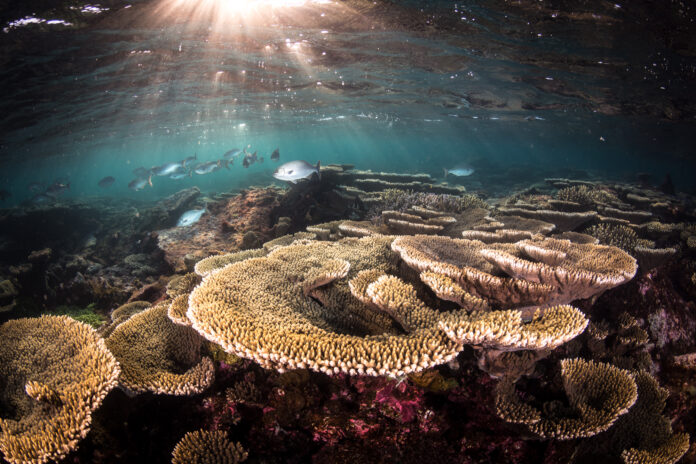
A bustling city constructed from coral, the Great Barrier Reef is one of the seven wonders of the world for good reason. Over 300,000 square kilometres in area, it is home to a diverse array of marine species, including the loggerhead sea turtle, humphead wrasse, and giant clam. As a biodiversity hotspot, it is widely recognised that the protection of this habitat plays a significant role in preventing the sixth mass extinction. However, despite its importance and the amount of effort and funds going into protecting it, the Great Barrier Reef has suffered its worst coral decline since records began in 1986. This was proven by continuous studies performed on 124 coral reefs between August 2024 and May 2025. But what is driving these coral declines, and how can we stop it?
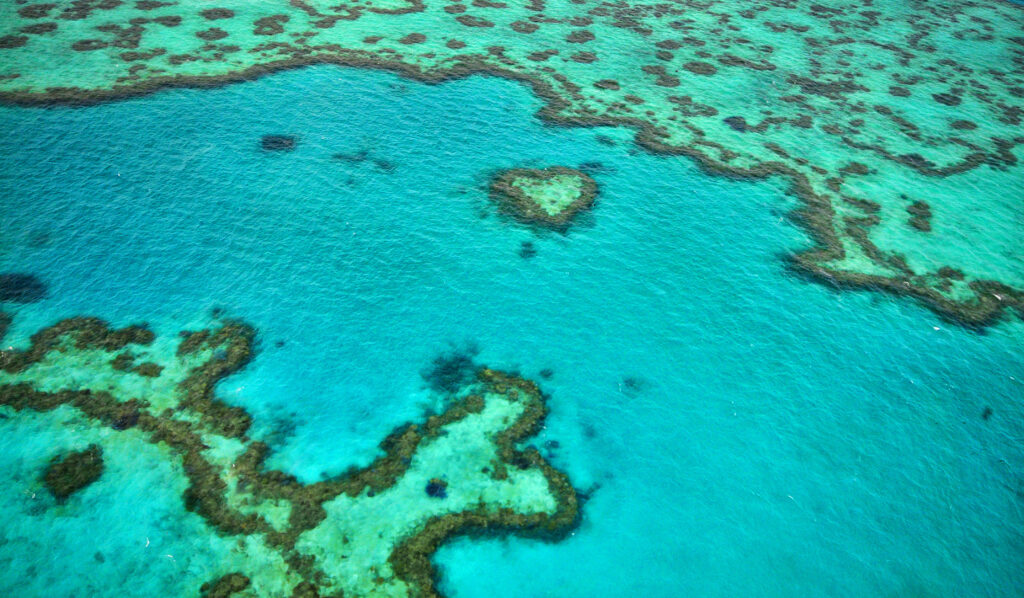
As a cornerstone of marine biodiversity and a significant part of Aboriginal Australian culture, the importance of the Great Barrier Reef cannot be overstated. The reef has been in the care of Australia’s First Nations people for tens of thousands of years, and is deep-rooted in their spiritual beliefs and traditional practices. In Aboriginal cultures, the reef is more than just a pretty tourist location; it’s a crucial part of identity and heritage. This means that bleaching events and coral declines pose a threat to historically marginalised Indigenous communities, as reef declines not only represent a loss of tourist money but also a loss of an essential aspect of Australian history.
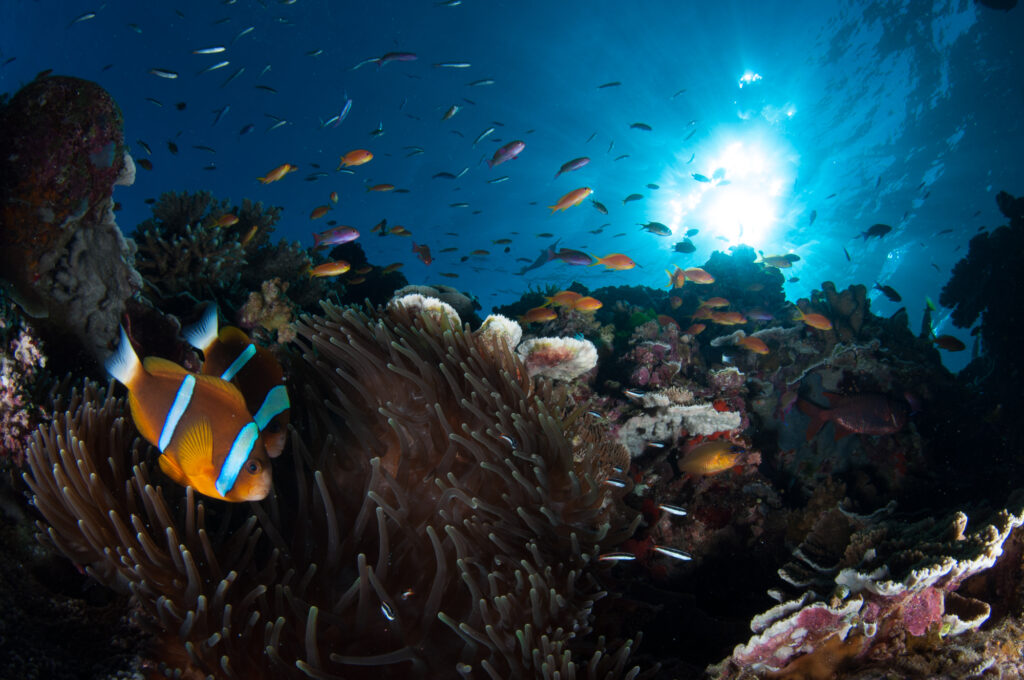
On top of this, the Great Barrier Reef is of great ecological value. Also referred to as the architect of the sea, the reef provides housing for approximately 25% of all marine species. Additionally, it is a major carbon sink, absorbing seventy to ninety megatons of carbon annually. Therefore, preserving coral reefs, especially the Great Barrier Reef, should be a high priority for everyone.
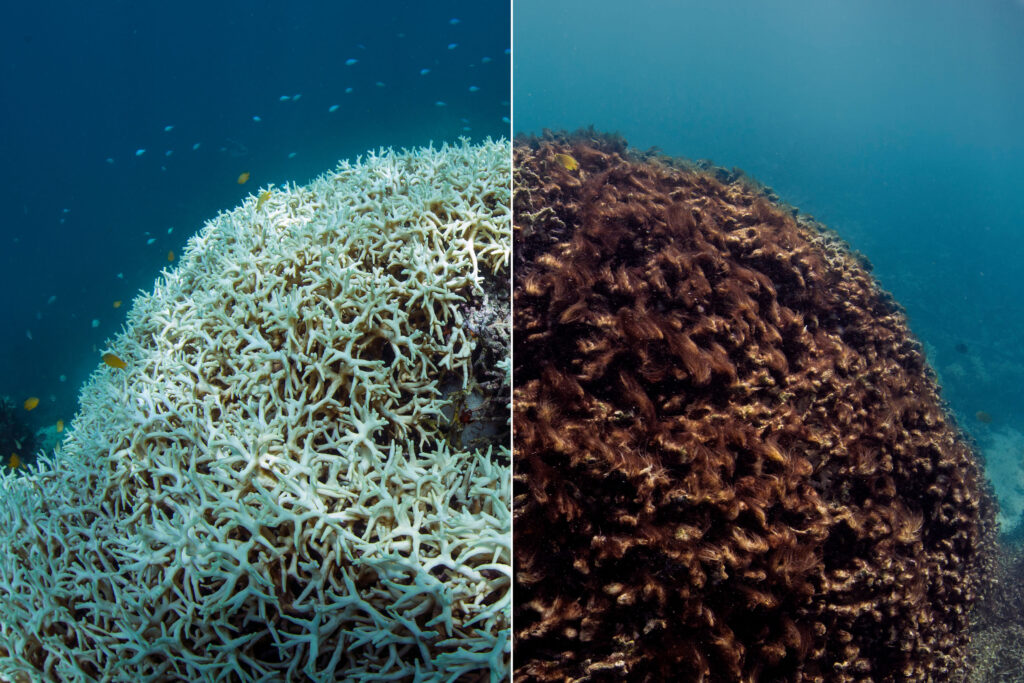
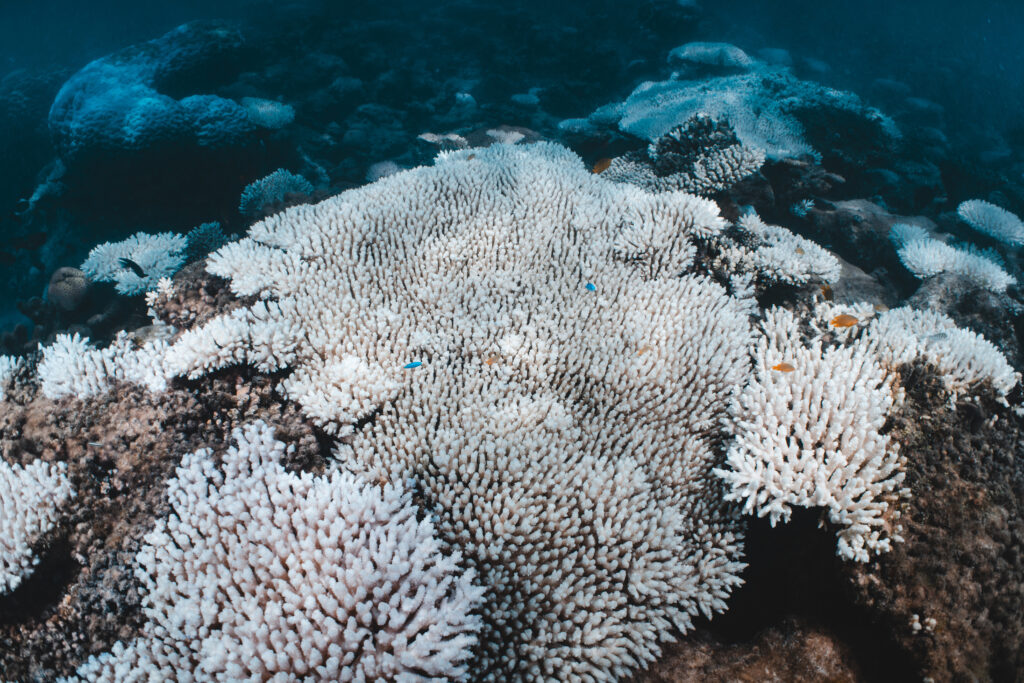
All coral reefs are under pressure due to a variety of threats, the main one being rising sea temperatures. Coral’s iconic array of colours comes from a symbiotic relationship with zooxanthellae, a type of algae. Warmer waters lead to the algae becoming ‘stressed’; this stressed algae is then expelled from the coral, leading to bleaching events. Coral can’t live without this algae, and bleaching events severely weaken or even kill the coral. Prior to this year, there have been six major bleaching events at the Great Barrier Reef on record. Four of these events have occurred since 2016. Since pre-industrial times, ocean temperatures have risen by 1 degree Celsius, which has subsequently led to a rise in marine heatwaves, significantly contributing to the reefs’ decline. This pattern isn’t isolated to the Great Barrier Reef. On the West Coast of Australia, the second largest reef, Ningaloo, has also experienced repeated bleaching. This year marks the first time that the two reefs have bleached simultaneously. The global climate target of limiting global warming to 1.5 degrees Celsius above pre-industrial levels is expected to still cause a 70-90% loss of existing coral reefs, suggesting that the constant diminishment of coral reefs will become the norm without quick intervention.
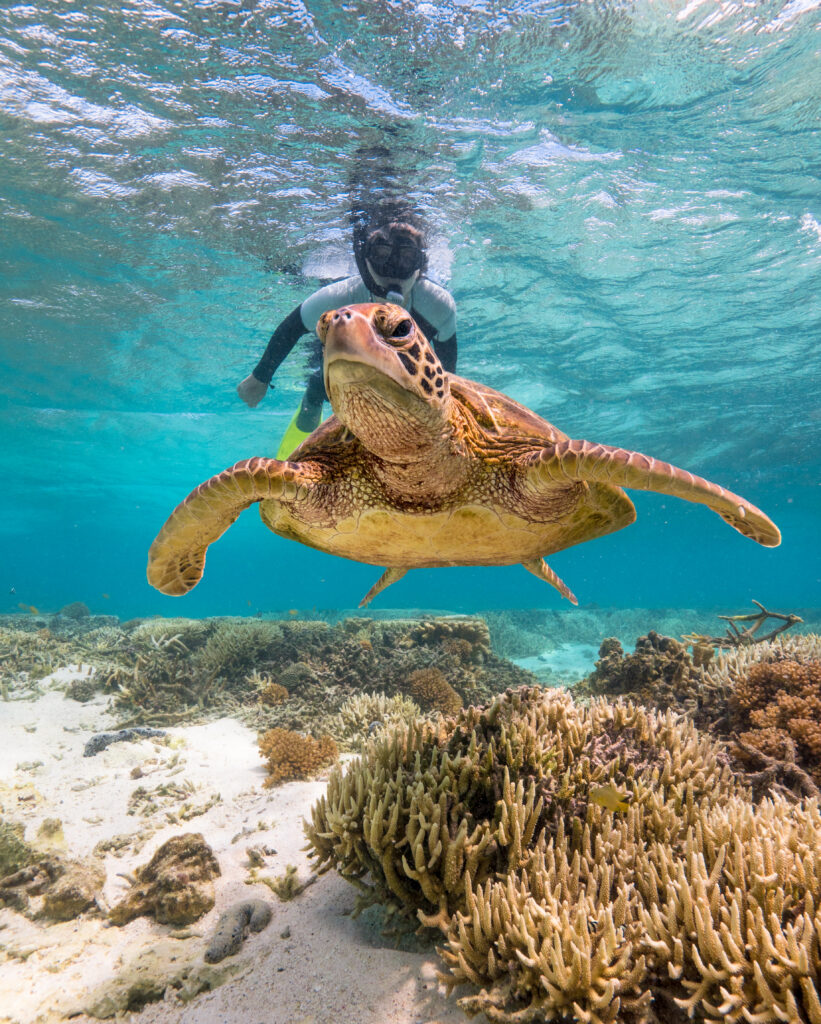
Generating approximately $5.89-$6.40 billion AUD in tourist revenue to Australia annually, the Great Barrier Reef is one of the most essential parts of the Australian economy. However, despite the many benefits this tourism brings to local communities, it is very damaging to the health of the reef. Popular activities such as snorkelling, diving, and boating can cause physical damage to the coral, which can cause the reefs to lose their structural complexity, leading to habitat loss for the species that inhabit the area. Tourism can also lead to increased waste and pollution, degrading water quality and harming marine life. For example, increased plastic pollution can lead to animals getting plastic poisoning. It is estimated that over one million sea turtles die every year due to ingesting plastic, meaning that this is a significant issue. However, it is important to note that tourism also raises conservation awareness for the Great Barrier Reef, and that some tourism operators are directly involved in reef conservation projects, suggesting that tourism is essential to making people care about the biodiversity found within the coral walls.
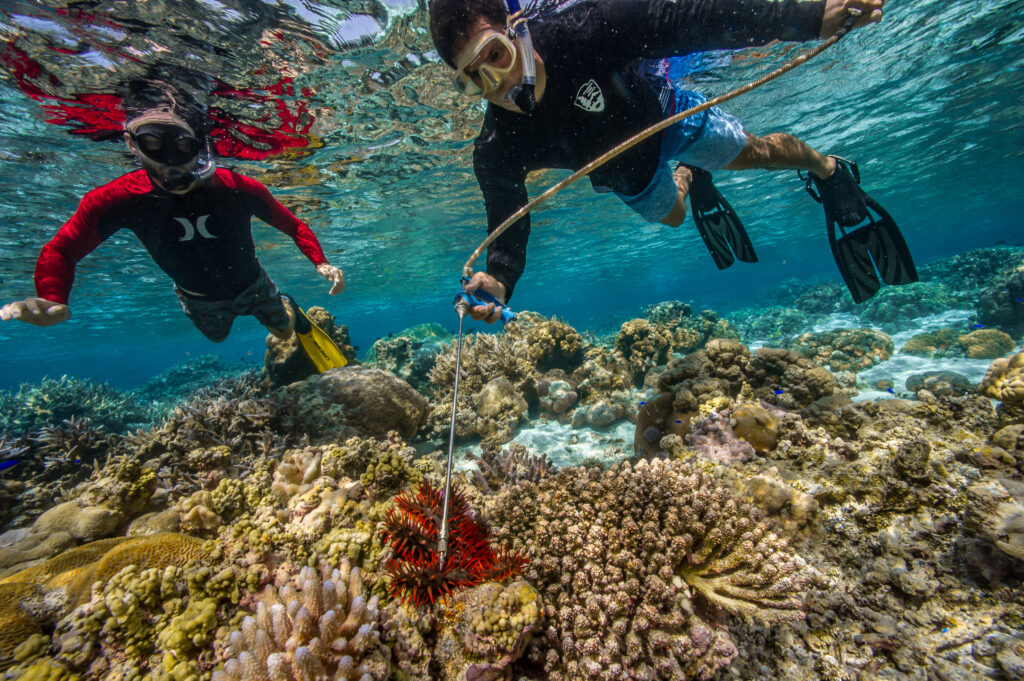
Although native to Australia, crown of thorn starfish (CoTS) also pose a significant threat to the Great Barrier Reef. Due to reduced predator populations and nutrient run-off from land, outbreaks of CoTS have become more common. It is generally agreed that an outbreak occurs when there are greater than 1500 CoTS per square kilometre on the reefs. These starfish can cause significant coral damage at these levels, as they feast on the living tissue of the coral at a quicker rate than the coral can regenerate new tissue. Outbreaks are tricky to predict and prevent, but research being done by the Australian Institute of Marine Science (AIMS) is helping scientists to understand outbreaks and develop ways to control them.
With a new record for coral decline and a plethora of threats and challenges, losing the Great Barrier Reef may seem like a daunting yet realistic future. However, many interventions and conservation efforts are in place to help prevent this dark outcome. Governments are working hard to decrease the rise in ocean temperature by tackling greenhouse gas emissions. For example, Australia’s climate change authority has called for countries with major fossil fuel exports to switch to low or zero-emission alternatives. They have also developed a net-zero plan, aiming to be carbon neutral by 2050.
Beyond government action, there has been a crucial increase in the inclusion of indigenous communities in Great Barrier Reef conservation projects, allowing the people who know the land best to shape the reef’s future. On top of this, eco-tourism has become significantly more popular in recent years. This is due to climate and conservation awareness increasing among the general public. Eco-tourism reduces the risk of coral damage and water pollution occurring. Research on CoTS also looks optimistic, due to the hard work of scientists at AIMS and other institutions.
This year’s new record for coral decline on the Great Barrier Reef is a sobering reality check and harsh reminder that the colourful coral city landscape is already nowhere near as vibrant and healthy as it once was. The Great Barrier Reef is a significant part of our planet for hundreds of reasons, so it’s evident that new interventions need to be implemented soon. But will we act before it is too late?
