
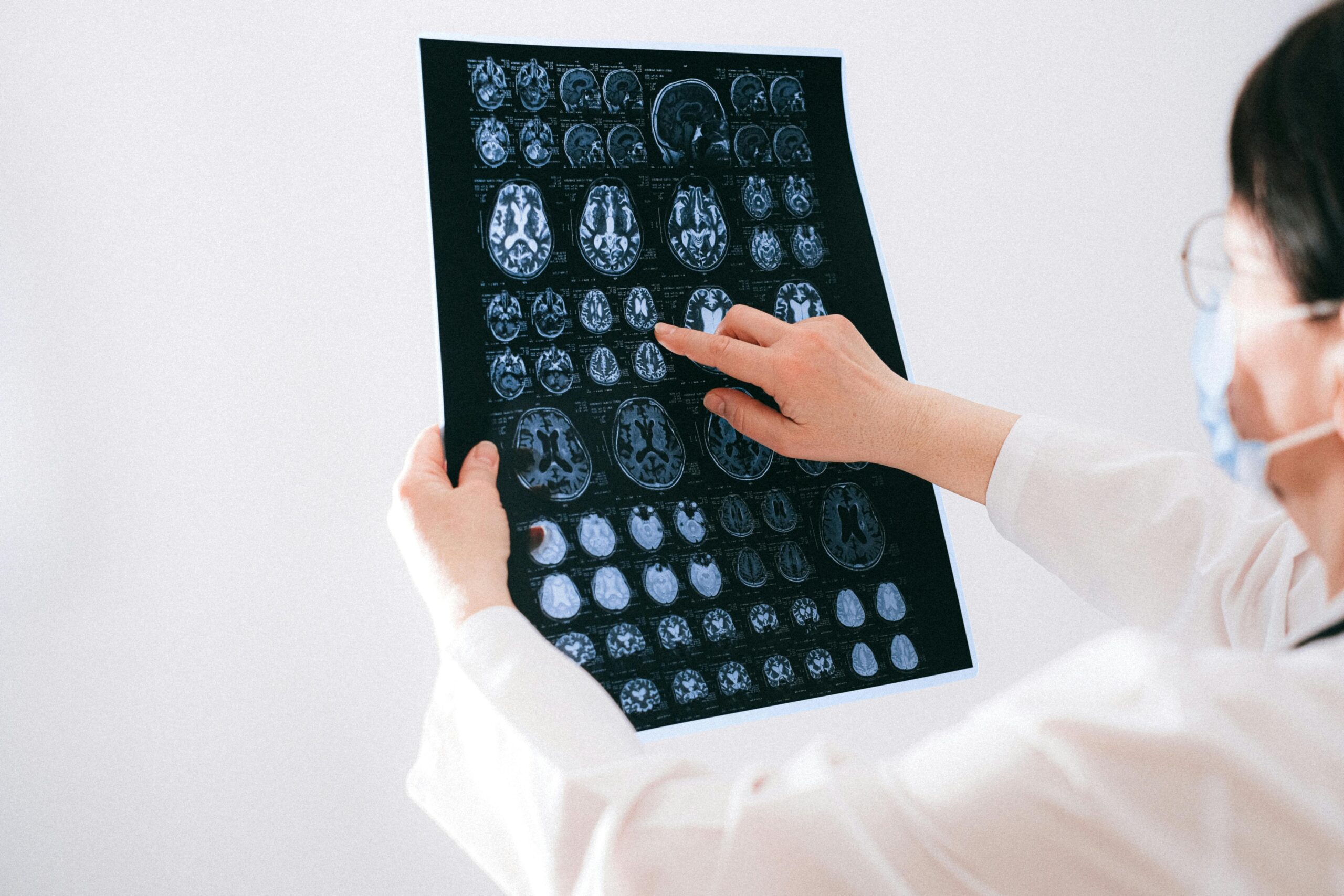
On March 5th, 2025, the winners of the annual Brain Prize were announced. The winners, Dr Michelle Monje and Dr Frank Winkler, were awarded for their revolutionary research into glioma brain tumours. They discovered that normal brain activity can influence the promotion, growth and spreading of gliomas. These findings have revolutionised the study of brain tumours and have created the field of cancer neuroscience. The clinical applications of these findings are also currently in phase 1 trials.
The Brain Prize, an annual award established in 2011 and funded by the Lundbeck Foundation, is considered the largest and most prestigious research prize in neuroscience. It is awarded to neuroscientists who have made a significant contribution to our knowledge of how the brain works. The winners receive a gold medal for their contributions to the field of neuroscience and are awarded 1.3 million euros to fund further research.
Michelle Monje, MD, PhD, is a paediatric neuro-oncology researcher and professor at Stanford University. Frank Winkler, MD, is a professor of experimental neuro-oncology and a researcher at Heidelberg University in Germany. Between 2015 and 2019, these researchers independently discovered how glioma tumours can interact with the surrounding brain tissue and how this influences the activity of the tumour.
Gliomas are tumours that form from glial cells in the brain or spinal cord. Glial cells are cells in the central nervous system (CNS), also known as the brain and spinal cord, which support the functioning of neurons, including immune functions and forming the blood-brain barrier. Gliomas are the most common type of brain tumour, accounting for 30% of CNS tumours. They are an incredibly fast-growing and treatment-resistant tumour. With standard treatments such as chemotherapy and surgery, the average 5-year survival rate is only 5-10%, but this can drop to less than 1% if the glioma is in the brain stem.
According to Andreas Meyer-Lindenberg, the chair of the selection committee, through their research, Monje and Winkler
“have pioneered a paradigm shift incorporating neuroscience into cancer research, forming what is now called cancer neuroscience”.
Before this research, it was generally thought that brain tumours were anatomically and physiologically separated from the brain. Monje and Winkler’s findings challenged this idea by demonstrating that the brain can influence cancer initiation, growth, spread and even treatment resistance. The research outlined how developing tumours can interact with neurons and the neural networks in the brain, showing how these tumours can ‘hijack’ neural functions to support their own growth and spread.
These findings have changed the approach to studying gliomas and pioneered the field of cancer neuroscience, the study of how tumours interact with the brain. These findings will usher in new research for glioma treatments, and at the time of this writing, these findings have led to potential glioma treatments that are in phase 1 clinical trials. This will lead to more in the future, hopefully offering a brighter future for glioma patients.