
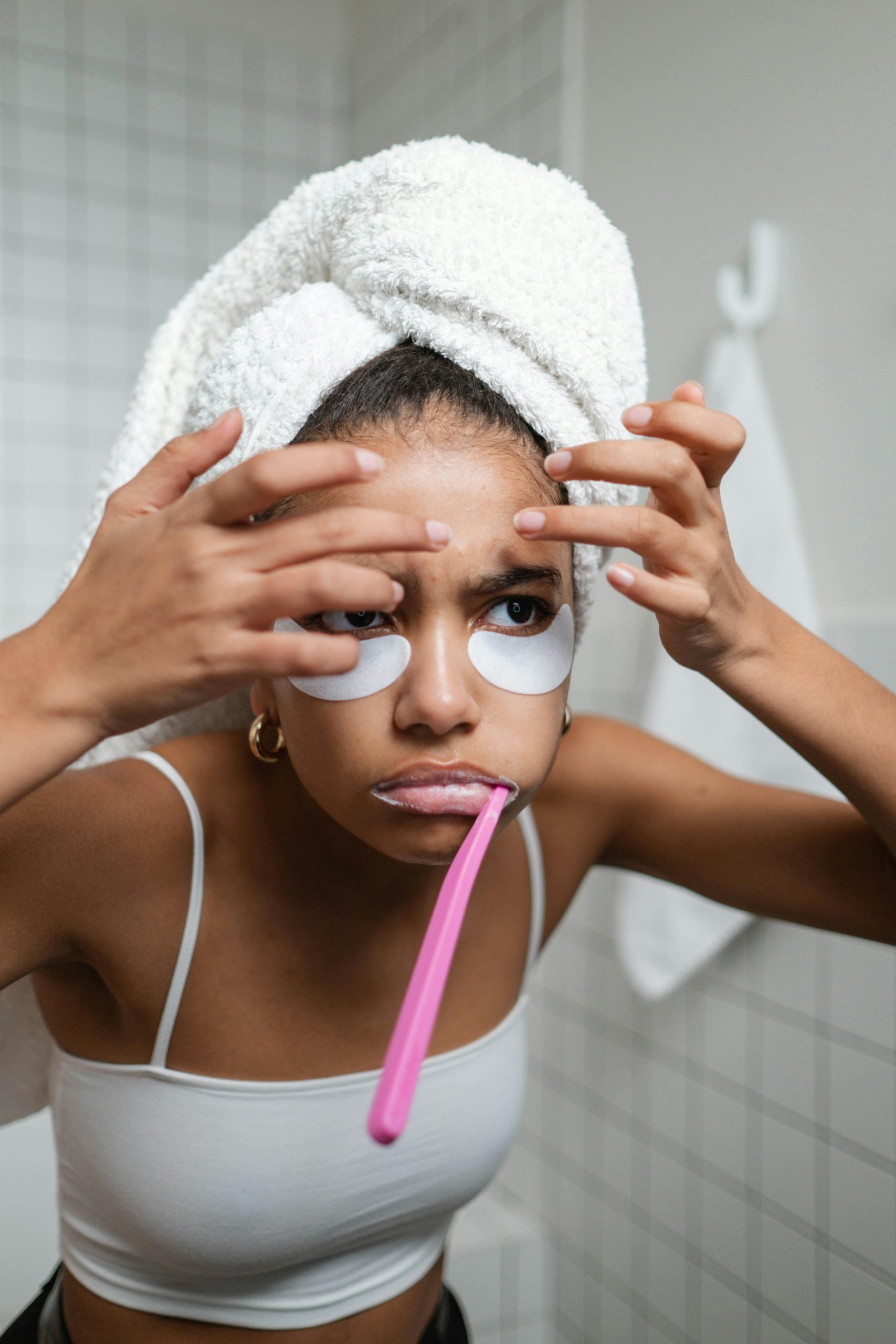
Cosmetic surgery is a hot topic at the moment; there has been a sharp increase in internet searches for various procedures, with many people now going abroad for treatment to replicate what they see online. Social media algorithms have begun to present users with the ‘perfect look’: it is no longer impossible to gain the Instagram filter appearance if you desire it. Cosmetic surgery is a large part of this, with many surgeons taking to social media to openly discuss and educate platforms about their work. While it is great that cosmetic surgery is becoming much less of a taboo topic, are people seeing the full picture, or viewing the world of cosmetic surgery and medical tourism through a rose-tinted filter?
Medical tourism is defined very widely as travelling abroad to access paid healthcare. This encompasses everything from basic checkups to surgery, the latter being of particular interest due to its sudden increase in recent years. According to the Patient Claim Line, cosmetic surgery makes up 25% of all medical tourism. Yale Medicine states that cosmetic surgery classes as any procedure improving the appearance of a person’s face or body, such as breast augmentation, facelifting or liposuction. This differs from reconstructive surgery which improves both the appearance and functions of a person’s face or body, like surgeries performed post-mastectomy.
Cosmetic surgery has risen sharply in recent years, with the British Association of Aesthetic Plastic Surgeons (BAAPS) providing the most recent figures: in 2022 alone, 31,057 procedures took place, which was a 102% increase from 2021. Out of this, women underwent 93% of procedures (a 101% rise from 2021), with men accounting for the other 7%. Interestingly, men had a larger increase in procedures undertaken, at 118%. Overall, these numbers represent the largest increase in procedures undertaken since BAAPS started collecting data in 2004. However, the most shocking figure comes in the form of the number of people needing hospital treatment in the UK post-cosmetic surgery abroad – between 2020 and 2023 this increased by 94%. At the time of data collection, three quarters of these procedures were carried out in Türkiye between May-November 2023. It makes for terrifying reading.
Forbes Advisor found over 4.4 million searches for overseas cosmetic procedures in 2022, with the most common of these being hair transplantation at 1.2 million searches. Dentistry comes in next at over 50 thousand searches. In terms of location, Türkiye appears to hold the title of world medical tourism capital, accounting for 30% of all internet searches. The UK is next on the list, with Mexico close behind, thought to be a top option for American medical tourists. But why are people going abroad for services they could access at home? Social media seems to be a key influence.
According to a research paper in the Aesthetic Surgery Journal, beauty and skincare is one of the top five categories for online content, demonstrating that social media is a key platform for education and awareness of different skin conditions, medical procedures and everything in between. 80% of facial plastic surgeons who are members of the American Academy of Facial Plastic and Reconstructive Surgeons use social media professionally for this exact purpose, educating their followers about surgery and its risks. This has its benefits: as an article by the American Society of Plastic Surgeons points out, social media is helping to de-stigmatise cosmetic surgery, and make it more accessible to the masses.
However, there is a flipside. Social media platforms, particularly TikTok, have encouraged the worrying belief that cosmetic procedures are a glamorous and relatively simple process to undergo. Some companies have developed advertising techniques that focus on results rather than process and fail to highlight the risks sufficiently (if at all). Others employ manipulation tactics, stating that they are the only ones who can do the surgery ‘properly’ compared to others who are more likely to do damage. There are also influencers who show off their fairytale looks whilst omitting the procedure behind it. While you would hope that online platforms would regulate content to dispel disinformation, when TikTok generated $11 billion in advertising revenue in 2022, it does leave the uncomfortable question of whether they are letting these narratives continue for their own gain.
Turkey Teeth is a prime example of a social-media fuelled craze, selling the ‘perfect smile’ at a low price with very little insight into what the procedure actually involves. According to BUPA (a UK private health insurance provider; the NHS does not do cosmetic dental work unless there is a clear medical need), achieving the perfect smile involves getting veneers. This involves 0.5mm of tooth enamel being removed for a ceramic covering to be laid over the top. Priory Park Dental states that this can cost anywhere between £500-1500 per tooth. In contrast, UK Smiles claims that the same treatment costs around £3000-6000 for a full set of the social media dubbed ‘Turkey Teeth’, including accommodation costs and airport pickups – because yes, companies like DentaFly who sell package holidays revolving around cosmetic procedures do exist.
How can there be such a price discrepancy? Unfortunately, this has to do with the type of procedure being carried out. You would hope you could trust cosmetic surgeons but unfortunately this is not always the case – some surgeons are not applying veneers but fitting crowns. This is a much cheaper procedure that involves far more interference with the tooth: 60-70% of the tooth is shaved off to fit the crown over the top, which overall makes for a far more invasive and potentially dangerous procedure. The BBC has previously reported on people returning to the UK for emergency treatment which is concerning in itself, however it gets worse – some dentists refuse to treat patients with botched Turkey Teeth due to fears of being held legally liable. When nobody is exactly sure of what materials have been used and the state of the remaining tooth, it raises a lot of issues. Forbes also points out the worrying issue of travel insurance not extending to any non-emergency or elective surgery, which is what cosmetic procedures class as. This may leave the patient in a position where they are unable to pay hospital bills if something does go wrong, making the return home much more complicated. This is clearly a problem that needs to be discussed more, and that starts with the risks of cosmetic surgery being more widely publicised; it is not as simple as the glossy adverts would have people believe.
Medical tourism is here to stay, and it definitely has its place in the world, but safety and awareness of the risks need to be improved. If you are considering it, the NHS (Cosmetic Surgery Abroad) and BAAPS (BAAPS Consumer Safety Guidelines) both have really helpful guides on what to consider and the type of planning you need to do beforehand. It is unacceptable that there are such high figures around corrective surgery post-medical tourism and extensive long-term impacts; we deserve better.