
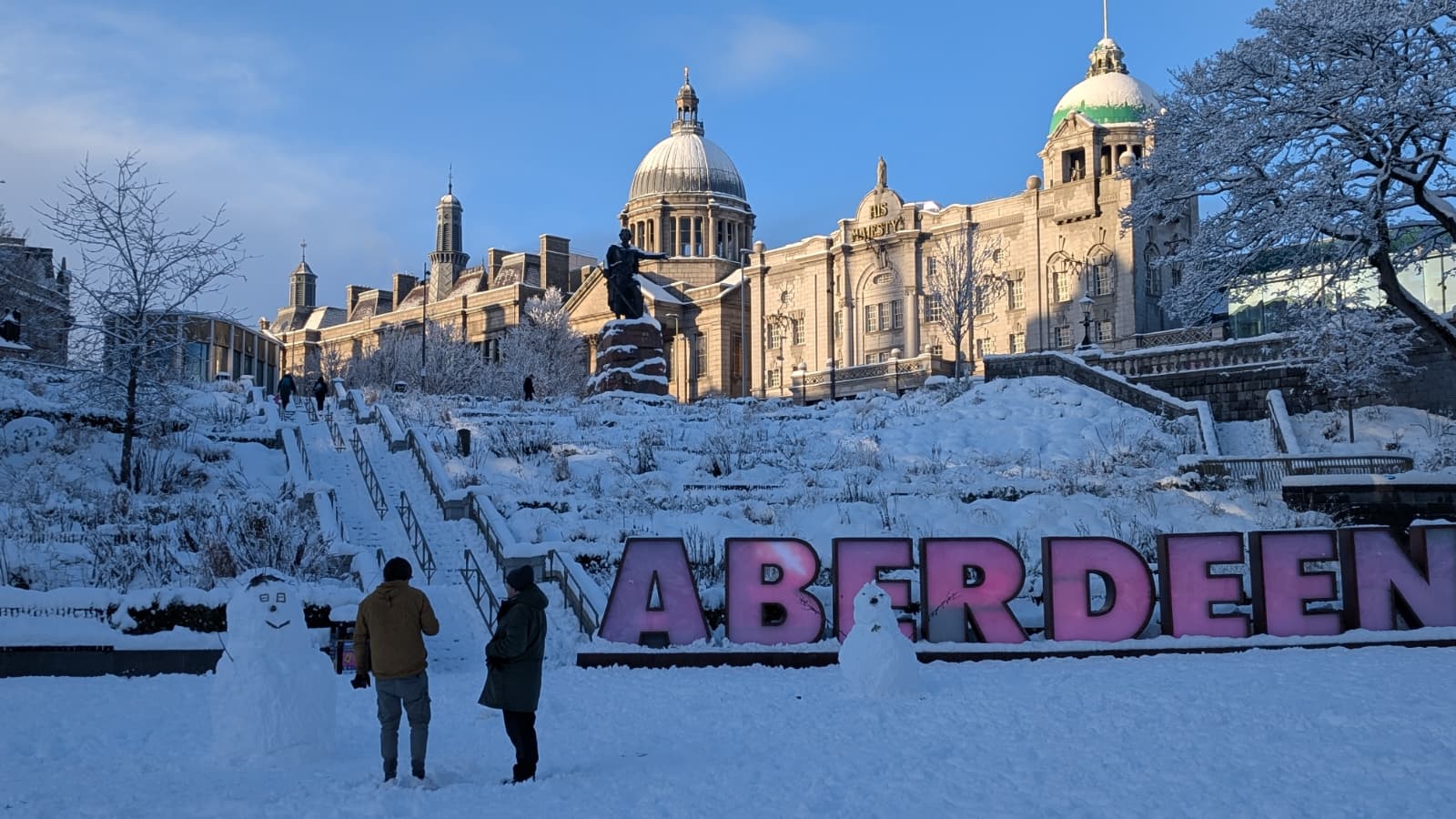
While you were away from campus, snuggled up in front of the open fire, opening your christmas presents, the unfortunate few that stayed in the North were subjected to some of the harshest weather conditions the country has seen in over a decade.
Storm Goretti battered the entirety of the UK over the last few weeks, with large parts of England being left in despair. However, Aberdeen, Moray, Orkney, and Shetland faced the worst of the storm.
From the first weather warning being declared on the 1st of January, lasting all the way to the 14th, Grampian was thrust into the nation’s spotlight. From 10ft snowmen to viral TikTok videos and calls for the military to intervene, the north faced a torturous start to the new year.
Communities around the north east woke up to the first sprinkling of snow on the 1st of January. Little did they know that the next 13 days would produce some of the worst snow that Aberdeen has seen in 15 years.
Here is a day by day account of the North East’s battle with the snow while you were back home (follow along with The Gaudie Team’s photos!):

Friday the 2nd and Saturday the 3rd saw the gritters hit the roads for the first time. This would be the first day of disruptions, with signs of what was to come. Northlink ferries were cancelled and LNER trains terminated in Edinburgh. An amber weather warning was issued for areas stretching from Stonehaven to Braemar. Aberdeen council had to shut public buildings such as libraries and the Art Gallery.

Sunday the 4th and Monday 5th continued the snow fall. The amber weather warning was updated, stretching from Angus all the way up to the Shetland isles. The worst effects of the snow started to set in. Towns such as Stonehaven and Lumsden were cut off with shops running low on supplies. All schools were shut in the north east. The University started what would become a 4 day closure.
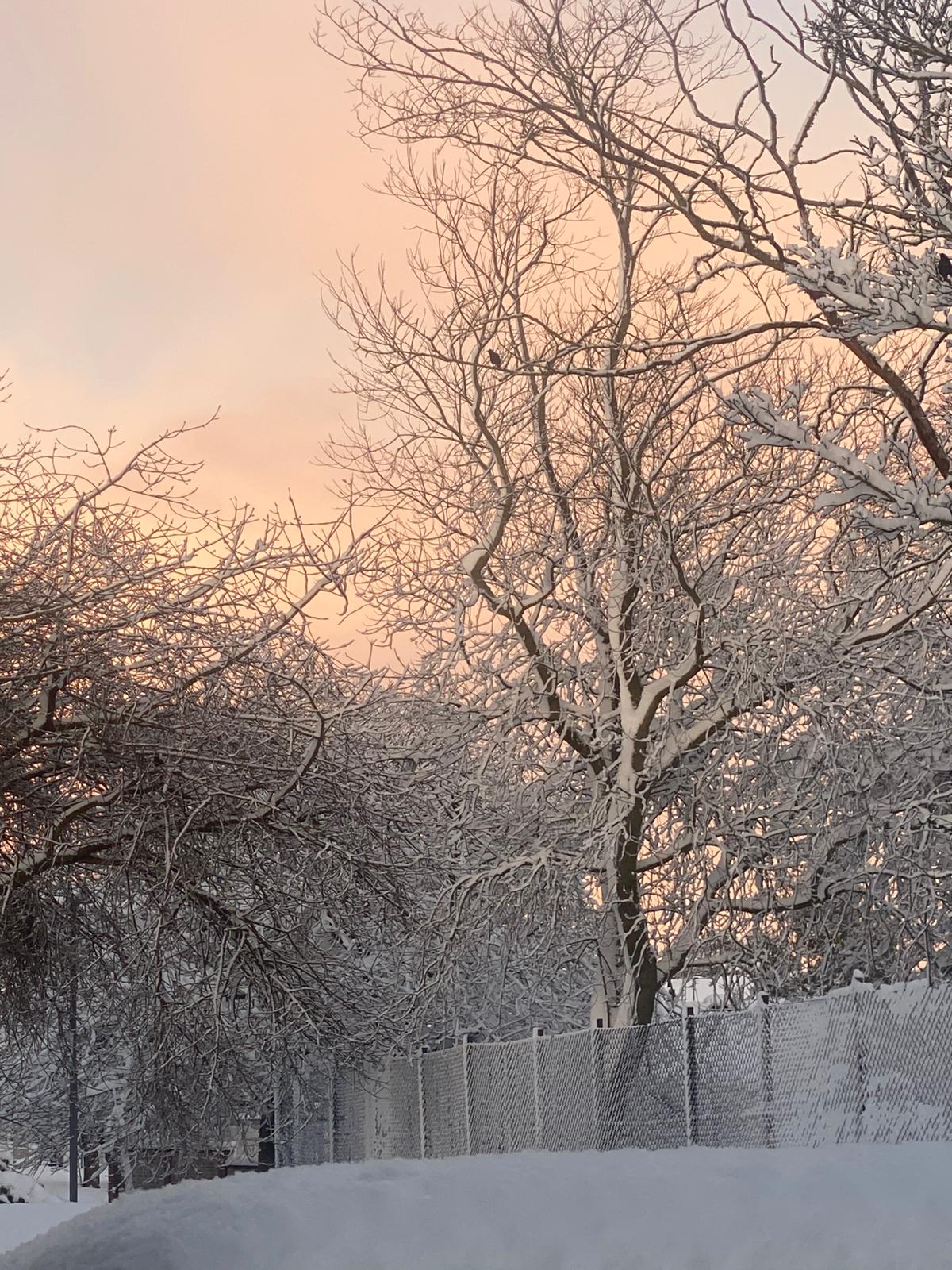
The 6th and the 7th would be the worst of the snow. On the morning of January 6th, Aberdeenshire council declared the weather a “Major Incident.” The announcement stated that there would be a “good chance” that communities would become cut off. They cited that people’s lives could be at risk. The highlands were hit with a flurry of avalanche warnings, snow drifts reached up to 12 feet in some areas, and power cuts were reported in southern Aberdeenshire. John Swinney said that: “all resources are being mobilised to help,” after the possibility of deploying the military was discussed in Parliament. MSPs were calling for several strategies to be introduced. North East region Conservative MSP Liam Kerr urged the government to set up a winter weather fund to help the struggling communities.
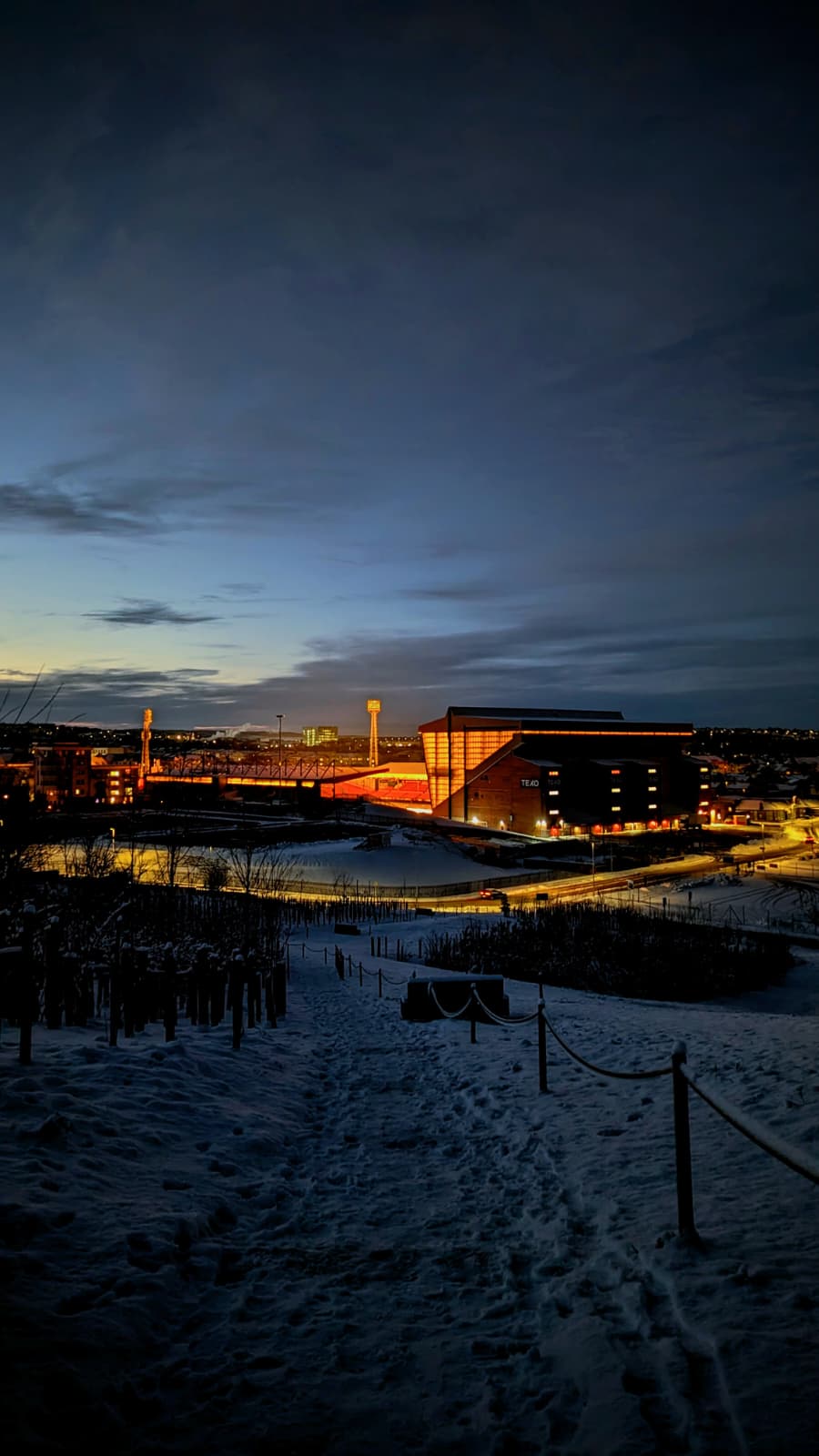
The 7th was the start of some hope being restored. There were positive signs of the snow starting to ease. Alan Wood, Director of Environment and Infrastructure at Aberdeenshire council, insisted that they did not need military support despite some communities still being left stranded. It was announced that some schools could reopen after the delayed start to term. There were some incredible stories emerging of farmers coming to the rescue for emergency services and Tikoker Andy Chalmers witnessing teams of workers shovelling knee high snow at Insch train station to get the trains running again.
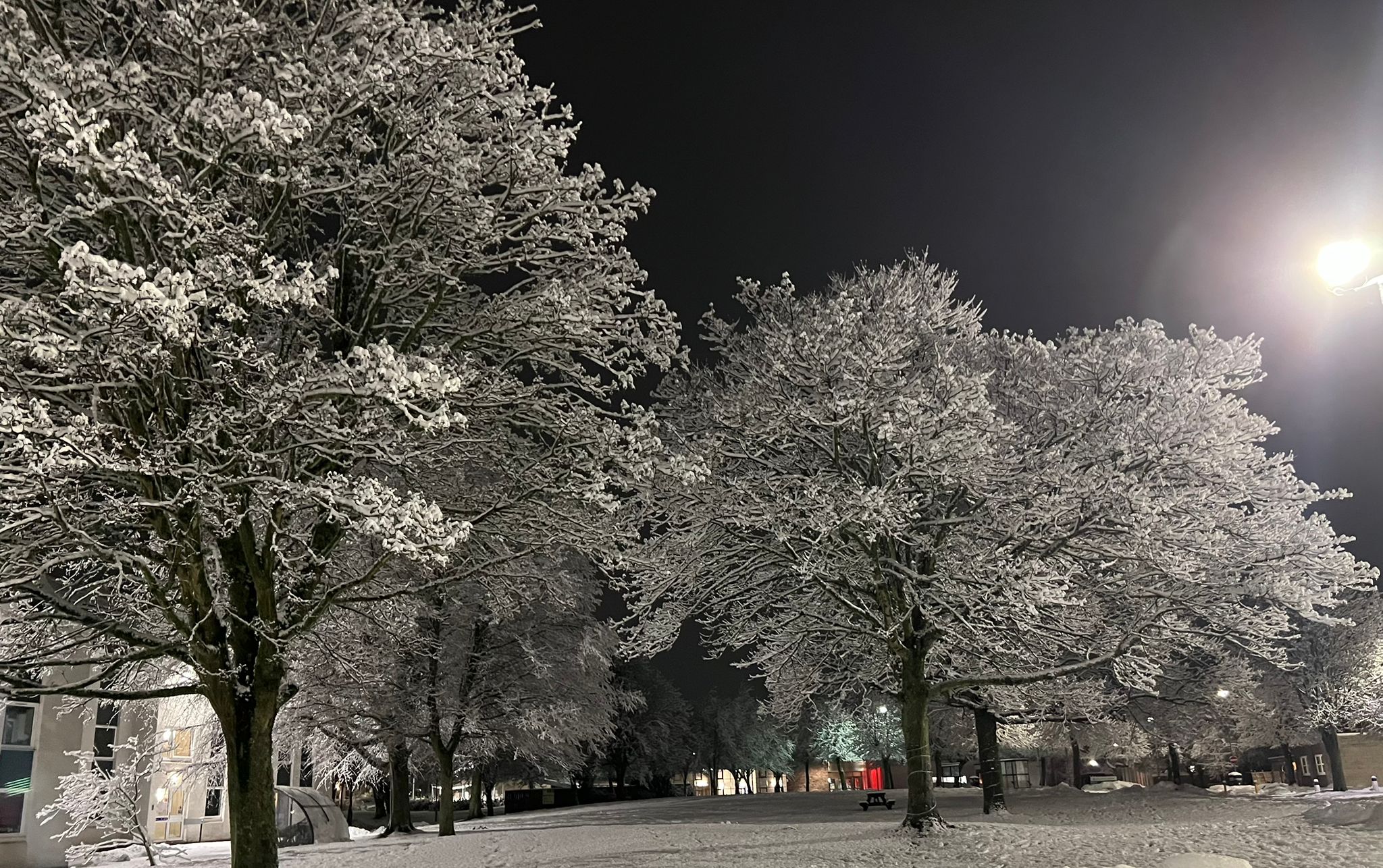
The lowest temperature in the UK of this winter was recorded overnight on the 8th in Tomintul, with temperatures plummeting to a frightening -15 degrees celsius. Some normality started to return however, the University opened for the first time this semester on the 9th. Renewed weather warnings were issued, this time for the prospect of ice settling. The council ramped up their efforts and 4000 tonnes of salt was delivered to the Port of Aberdeen. John Swinney made his way up to the Aberdeen Amey depot, and met with the people in charge of the gritting service. He praised the work of the council to protect residents of the north east.
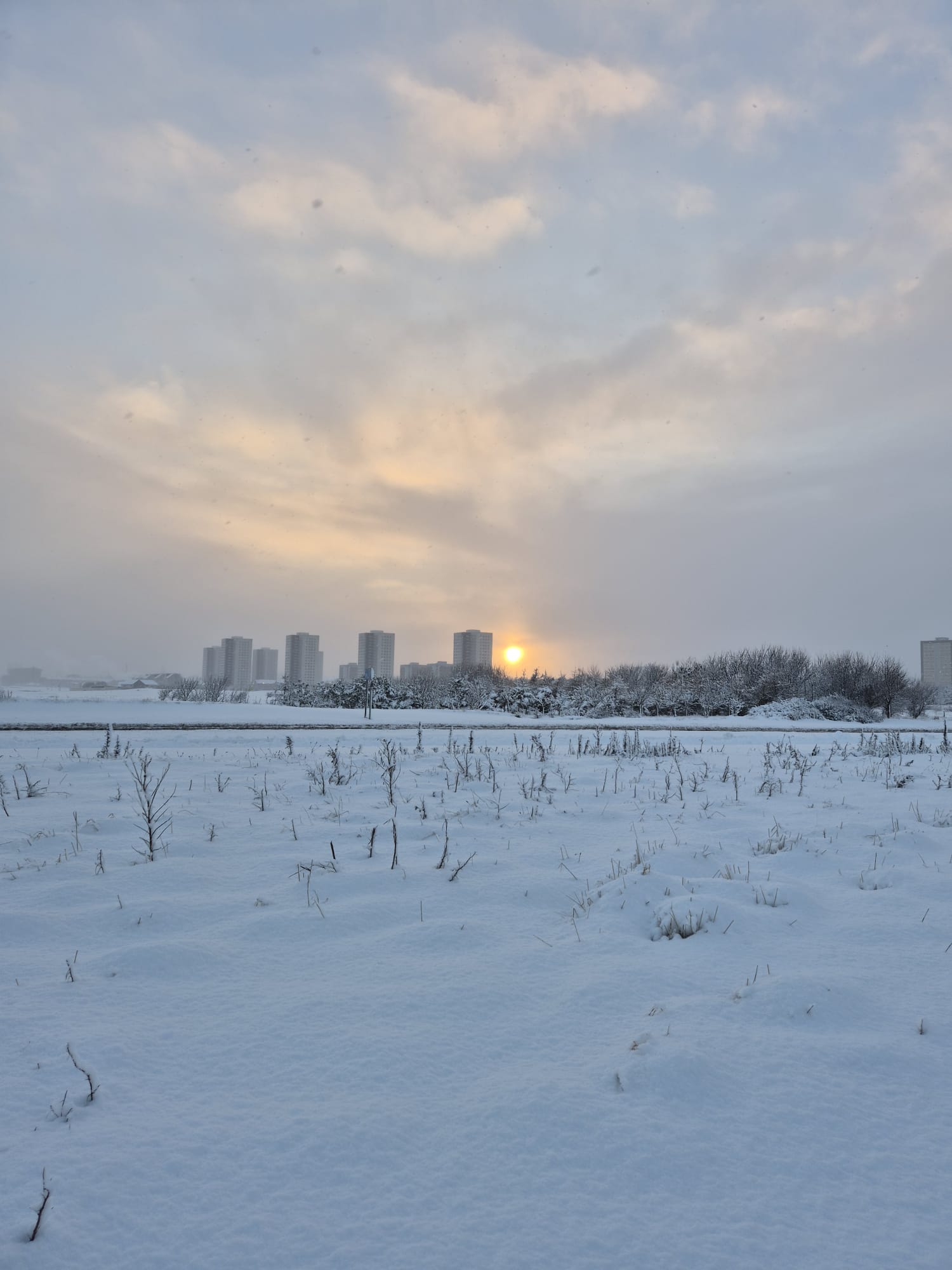
The area started to prepare for the potential of flooding on the 10th and the 11th, however it was not the end of the snow with another Amber weather warning being announced with 11-hours of snowfall expected on the 11th. The skiers were out in full force with the Lecht ski centre in the Cairngorms being reopened on the Saturday, however it was closed again on the Sunday due to storms returning. Football returned to the North East on Sunday evening as Aberdeen lost to Rangers 2-0. The 11th also marked the end of the storm being classified as a ‘major incident.’
The next few days would see stagnant temperatures, with the snow not shifting until temperatures rose on the 14th of January. The 14th would end up being the last day of weather warnings, providing the end to what was a horrid start to the new year.
Over the course of the two weeks, there were countless stories that have displayed the best of the North East: Farmers coming to the rescue for residents in need, communities shovelling snow for deliveries to get through, and neighbours coming together to brave conditions.
Aberdeenshire council had to fork out £1.6 million to battle the conditions, with over £500,000 going to farmers that were contracted in to help.
Aberdeen Council co-leader Ian Youill capped off the period of snow by saying: “I am very grateful to all the residents who helped their local communities by clearing snow. They made a real, positive difference.”