
By Nour Elshenawy and Beth Templeton
The University is facing criticism after banning a planned virtual talk by Nelson Mandela’s grandson.
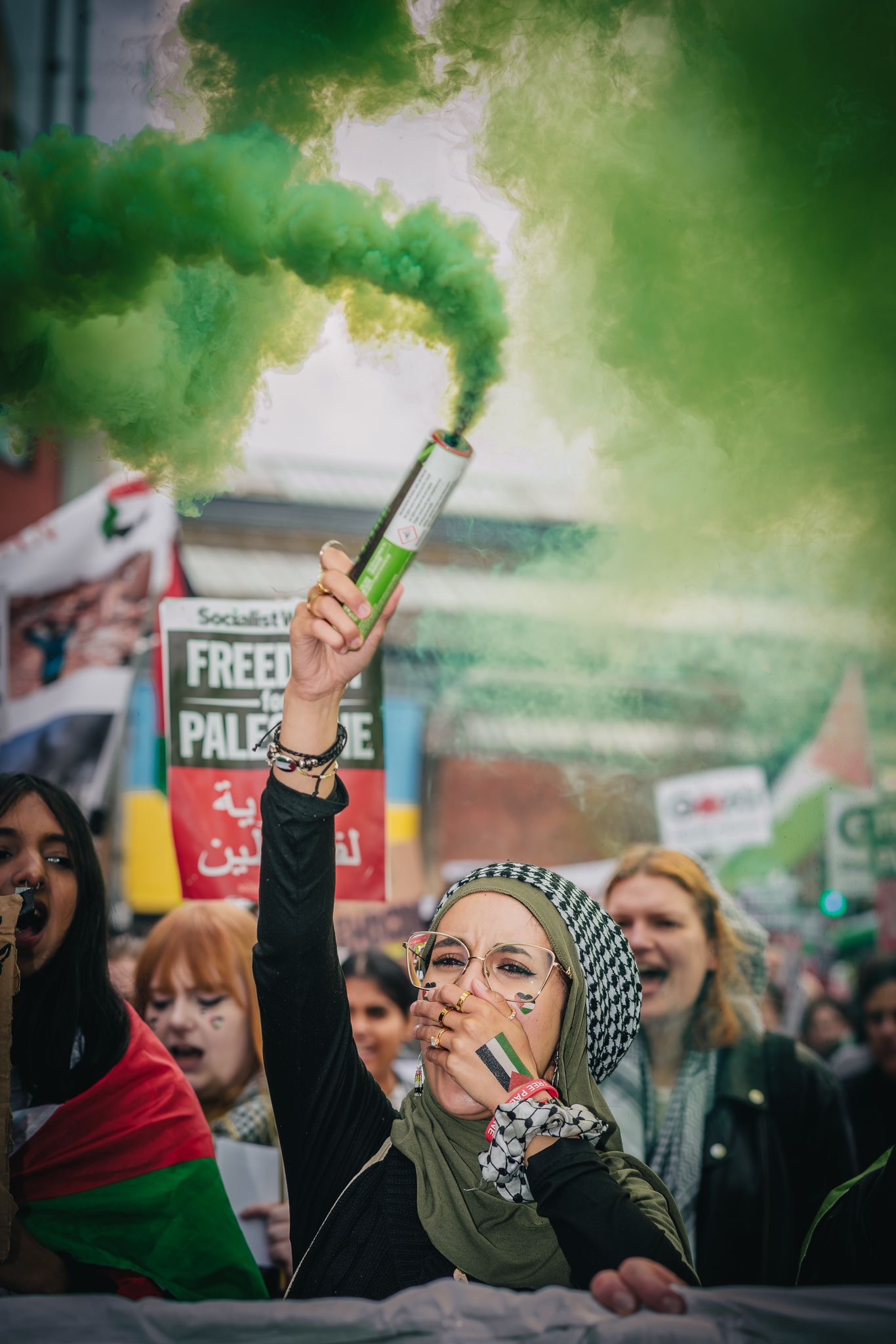
Zwelivelile ‘Mandla’ Mandela, an anti-Apartheid activist was due to fly to the UK to address a series of pro-Palestine events, with a date set to take place at UoA in what was hailed as a crucial turning point for the British pro-Palestinian movement.
The institution has sparked fresh controversy after cancelling a room booked for one of Mr Mandela’s talks, organised by the AUSA-affiliated Palestinian Solidarity Society.
The event, which was being co-hosted by the Scottish Palestine Solidarity Campaign was designed to draw parallels between South African apartheid and the current situation in Palestine.
In anticipation of cancellations, a backup plan to host Mr Mandela virtually via Zoom was set to take place in a UoA classroom, a plan which was hindered by the University’s decision to revoke the room booking, igniting further debate about the state of academic freedom and free speech within the UK’s higher education system.
Home Office Ban
After he was initially told that his South African passport did not require a visa to enter the UK, the Home Office notified Mr Mandela that he did, in fact, require a visa, thwarting plans for his tour less than a week later.
Mr Mandela has previously travelled to the UK without a visa, leading to frustration amongst pro-Palestine activists, with critics of the UK Government highlighting that the Irish Government has allowed him an exception on the visa requirement.
This comes after The Times reported that the Home Office had been facing questions about whether or not Mandela should be granted a visa due to his “inflammatory rhetoric.” Mandela’s support of Hamas and Hezbollah – who the British Government consider terrorist organisations – has seen backlash and controversy over welcoming him into the UK.
However, support has rained in from pro-Palestinian activists, who called upon the Westminster Government to uphold free speech and to show solidarity with Palestine. Following the uncertainty around the visa issue many are regarding this a ‘ban’ from the UK for Mandela and questioning the premises of the decision.
UoA Event Cancelled
For the Aberdeen Palestine Society, the cancellation came as a bitter blow, with the society’s President Ayah Mbarki expressing her deep regret:
“I was disappointed but not surprised. The UK government has tried to censor and label Mandela’s grandad as a bad person. History is just repeating itself again.
We were going to host him online if he wasn’t able to come in person but the University cancelled it for other reasons.”
The society had intended for the event to foster a critical discussion on the similarities between apartheid in South Africa and the Palestinian experience, aiming to galvanise international solidarity in combating oppression.
This University’s decision to cancel the room booking has fuelled suspicion at the institution and beyond regarding the underlying motivation, with some suggesting that political considerations may have taken precedence over its values of inclusivity and open dialogue.
Responding to The Gaudie a University of Aberdeen spokesperson defended the choice:
“The University supports and promotes the rights of all members of our community to have a voice. We also reserve the right to cancel or refuse bookings where appropriate and in line with our policies.”
Adding to the chorus of discontent, Ainhoa Burgos Aguilera, SU Vice President for Communities, voiced her frustration over the last-minute cancellation:
“It is important that there are events where students can share their views and engage in conversation on important matters like this. We will continue to play an active role in supporting and organising the Citizens’ Assembly at the University.
The Students’ Union remains dedicated to advocating for an immediate and permanent ceasefire, an end to the genocide in Palestine, and a call for peace across Israel, Palestine, Lebanon, and the entire Middle East. We stand firm against racism, Islamophobia, and antisemitism on campus.”
For many students and staff, the University’s dogged statement merely deepens concerns that political influence takes precedence over the institution’s professed dedication to open debate.
Condemning the UK Government’s travel ban, Ms Mbarki added that “the ban sets a concerning precedent,” calling it an infringement on the ability to discuss pressing global issues.
Solidarity with the Palestine Society has grown, with various student organisations UK-wide voicing their frustrations over what they see as the university’s selective stance on contentious issues. Supporters argue that the incident underscores the need for a more transparent and consistent approach to hosting controversial speakers and events on campus.
Despite the setback, the Palestine Society remains undeterred,
“We are not giving up,” adds the President, telling us that the society is “committed” to organising events to raise awareness of the Palestinian cause and to explore broader global struggles against apartheid and oppression.
In a damning indictment, Ms Mbarki added that “the University is on the wrong side of history.”