
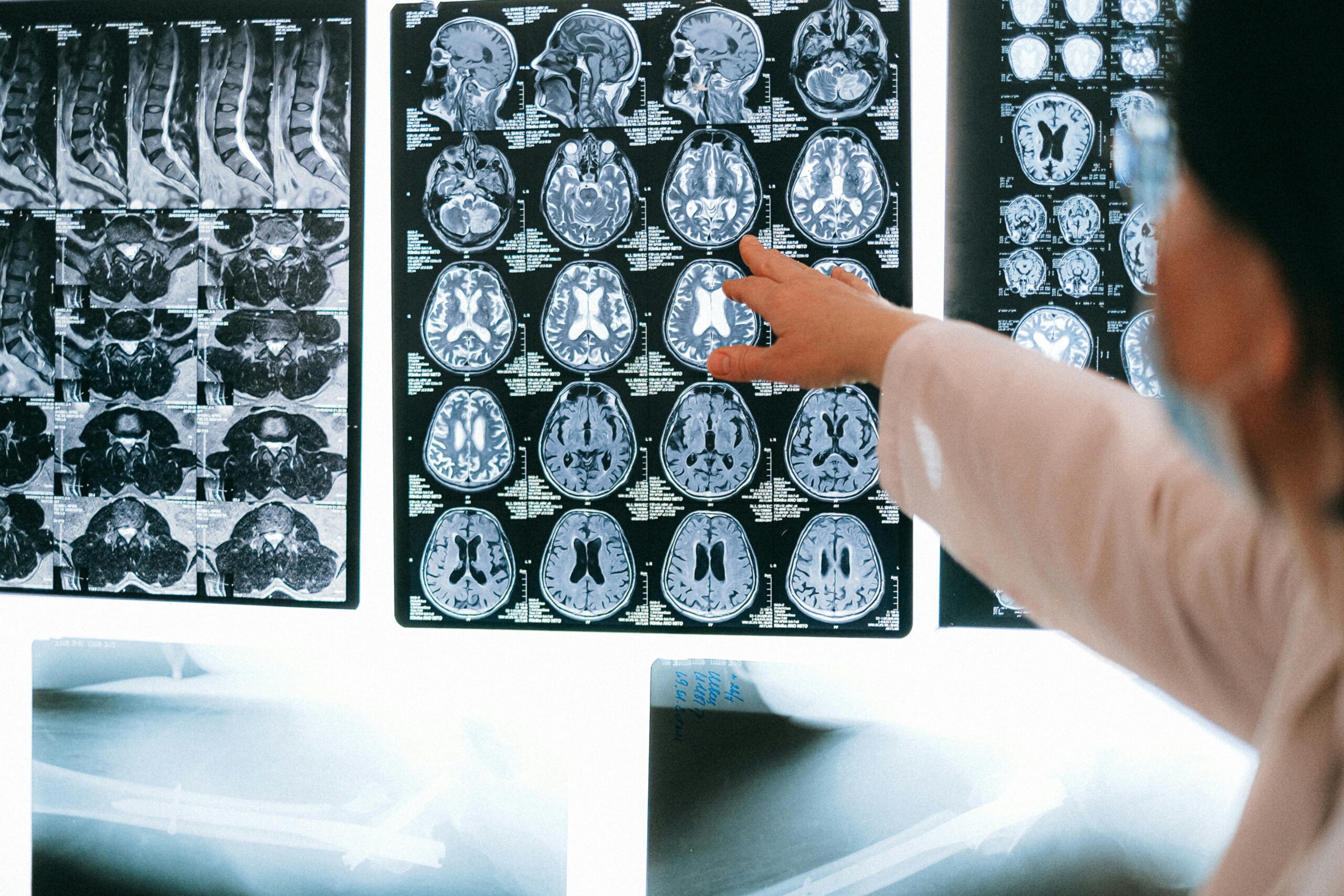
The pathology of neurodegenerative diseases like dementia is highly complex and multifaceted. Alzheimer’s, the most common form of dementia, affects almost a million people in the UK, all of whom will have their lives cut short without a cure or new treatment being discovered. The disease is characterised by severe cognitive impairment and memory decline due to neuronal loss. Despite continual research over the past decades, disease-targeting therapies remain elusive. This may be due to traditional research focusing on one target, being amyloid (a naturally occurring protein in the brain that becomes abnormal when it misfolds and aggregates, leading to the formation of toxic amyloid plaques in dementia). Another reason for the lack of effective disease-halting therapies is the multifactorial nature of the disease, which leads to a lack of direct causality in dementia research. Dementia and Alzheimer’s datasets are known to be vast and complex, the volume of data alone exceeding human cognitive capacity. The existing multifaceted nature of the disease, when combined with these factors, makes it impossible for researchers to map precision therapy for it. However, the rise of Artificial Intelligence may be the perfect solution.
Although amyloid pathology is a major focus when it comes to AD, increasing evidence highlights the gut-brain axis (GBA), a complex, bidirectional communication network linking the gastrointestinal system to the central nervous system and the brain. We already know that the GBA is a major frontier for understanding and targeting neurodegeneration: it is a communicative pathway through nerves (like the vagus nerve), hormones, and immune signals, through which the gut microbiome has the power to influence brain health, brain chemistry, mood, and behaviour. Fundamentally, the gut microbiome mainly influences the brain when there is dysbiosis, an imbalanced production of neurotransmitters and metabolites in the gut, leading to neuroinflammation and brain health deterioration. This is not only associated with Alzheimer’s pathology, but also other neurodegenerative conditions, including Parkinson’s, Multiple Sclerosis, and Amyotrophic Lateral Sclerosis.
But, if the gut microbiome is a potential reason for causing neuroinflammation and neurodegeneration, why is it not a major focus? Essentially, the biological complexity and the variability of the gut microbiome of individuals create a major hindrance in the identification of therapies and the development of a cure for Alzheimer’s patients. In fact, variability in the gut microbiomes of individuals may also be a reason for the failure of many ‘one-size fits all’ therapies, highlighting the scope of precision gut therapy.
Inevitably, this prompts the next question: If each individual’s gut microbiota needs to be precisely targeted, however, the gut microbiome’s complexity and high variability prevent researchers from doing so, how can this be tackled?
The potential solution to this paradox may be AI. The addition of AI to the use of precision therapy may help combat the issues surrounding the identification of reliable therapies due to its indispensable ability to detect patterns. AI can rapidly analyse and map gut microbiome interactions and predict which microbes may influence neurodegeneration and AD, ultimately serving as a helpful tool in guiding personalised therapy. AI may also allow the identification of biomarkers by identifying metabolites and microbial communities as early indicators and targets for treatment. By such a form of rapid analysis of these complex interactions in the gut, AI would allow this time-consuming and mentally taxing process of identifying key targets in the GBA to be sped up.
An excellent example of the use of AI is from a recent work by researchers at Northwestern Medicine in May 2025 to identify a compound, propionate, produced by gut bacteria that may slow down the progression of AD by regulating neuroinflammation and amyloid buildup. Additionally, a marine algae-derived drug known as GV-971 or sodium oligomannate was approved in 2019 in China, specifically targeting the gut microbiota and dysbiosis, proving that this may be a reliable treatment path.
Overall, the use of AI in gut-targeted therapies could accelerate the process of discovering biomarkers and targets to treat these devastating neurodegenerative conditions, taking a major leap from correlation to possible causation. Importantly, it allows a previously ignored and underutilised target to now be explored. However, although AI and gut hold tremendous potential and provide optimism in creating a new path to treat Alzheimer’s, we are still a long way from the finish line. There are existing challenges, like limited clinical validation, which must be recognised and resolved. Crucially, further exploration of the gut microbiota is vital for identifying reliable targets for the disease. Despite this, whilst we must remain cautious, AI and the gut may be the key to curing Alzheimer’s disease; this breakthrough is already deepening our understanding of the GBA, helping us uncover new mechanisms of the disease, and, more importantly, restoring hope for millions facing dementia.