
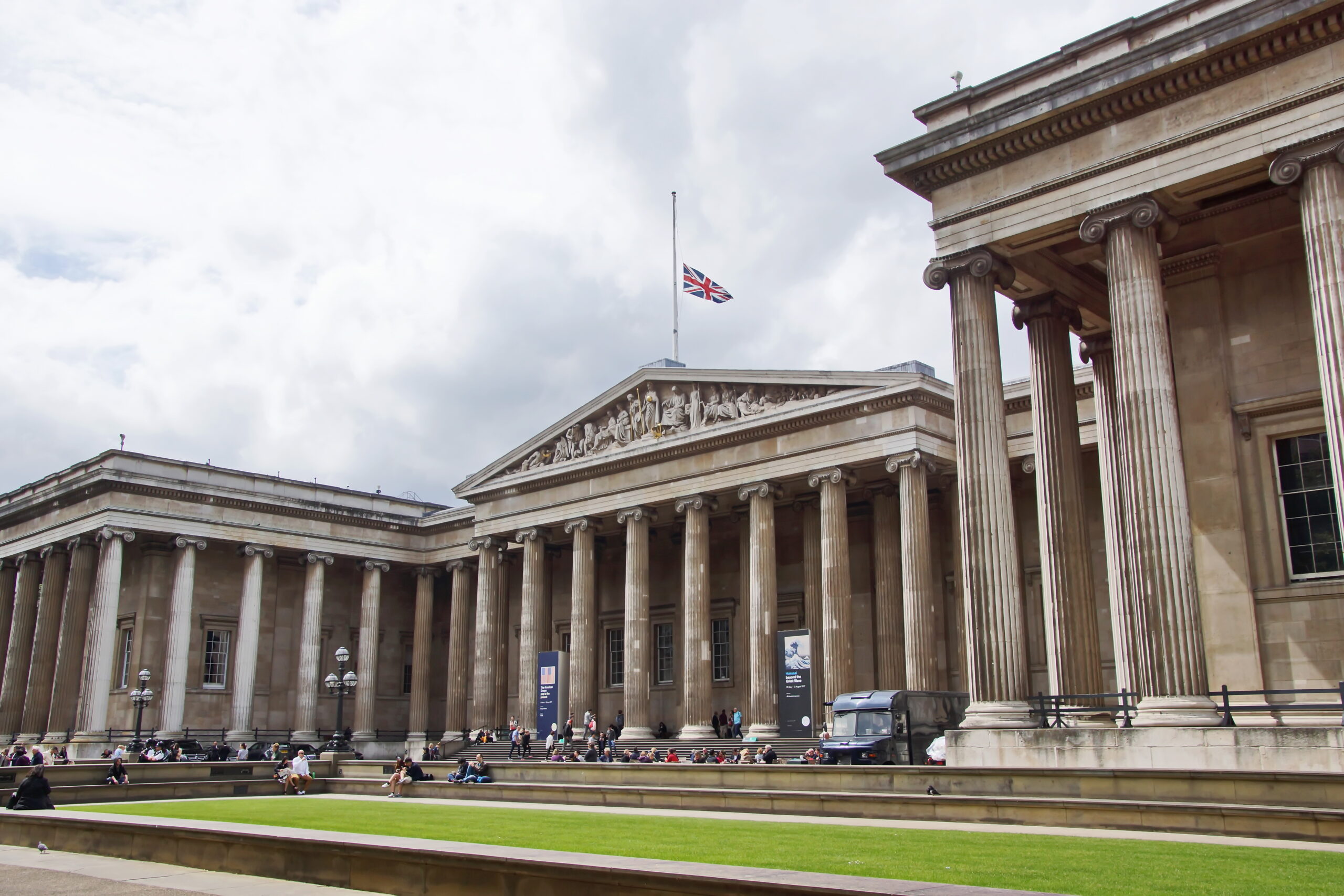
The British Museum is no stranger to controversy. For many, it is the museum, the crown jewel of heritage, home to countless pieces of global history and some of the greatest art in the world.
However, for others, it is the museum in a very different way: a symbol of centuries of colonial theft and abuse that houses stolen pieces of other countries’ culture. Despite this view, the British Museum is not the only museum at the heart of custody battles for artefacts.
In fact, contested history is a thread that permeates the entire heritage industry and will likely continue for decades to come as the complex web of ownership, colonialism, and protection is slowly untangled and people continue to fight for their history’s homecoming. Nevertheless, the British Museum is most people’s first thought when the topics of kleptomania or repatriation arise,for the laundry list of star artefacts within its walls (such as the Benin bronzes or, of course, the Parthenon Marbles).
The British Museum is seen as a guiding light within the world of museums and heritage, setting the standard for others to follow. And it is this reputation that, once again, places the museum at the centre of its latest controversial chapter.
On January 27th, the British Museum uploaded a post composed of four images to Facebook and Instagram, all of which featured a young woman contemplating various museum exhibits, captioned: “Taking time to take a closer look is always worthwhile”. The post also tagged the AI marketing agency (V8 Global) and the AI model’s account, as well as the hashtag #YourMuseum, which was later revealed to be their hashtag for all user-generated content.
The response was immediate, with the public and industry professionals alike unleashing a barrage of negativity and demanding an apology. A spokesperson explained that “we do not post AI-created images and, recognising the potential sensitivity, removed it,”. However, they went on to state “given the increasing prevalence of AI in the sector, we are in the process of creating guidelines on its use museum-wide” which, while many are relieved the museum is not creating AI content, has sparked debates on the ethics of AI in the industry.
Some are more critical about the Museum’s AI use, such as Steph Black, an archaeologist and PhD student at Durham University, who believes the museum is trying to replace workers with AI to reduce costs:
“I think they are testing the waters to see how willing the public are to accept AI images, so then they can fire or not hire creatives and professionals”.
However, even without jobs being on the line, concern over AI rewriting history is already widespread, with deepfakes, propaganda, opaque algorithms and one-sided narratives becoming more prevalent.
Therefore, many critics are calling on the British Museum to commit not to use generative AI and set a precedent for its use. As Black explained, even the British Museum’s one post combined East Asian and Mexican traditional clothing and artefacts “as if all these cultures are the same”, perhaps due to the Western biases within AI. This inherent bias, when considering the minefield of contested history within the museum, risks further cementing colonial narratives and further rewriting endangered history, or even interfering with repatriation.
The post was live for only about 6 hours before the backlash it received led to its removal. Yet, it has highlighted the dangers AI poses to the future of museum storytelling and cultural representation, and has raised questions about the safeguards and guidelines needed to protect both our museums and the jobs of those who run them. This responsibility doesn’t fall solely on the British Museum, however, it’s undeniable that this iconic institution’s decisions could set the standard, and that museums worldwide will be watching their lead.