
by James Wilson
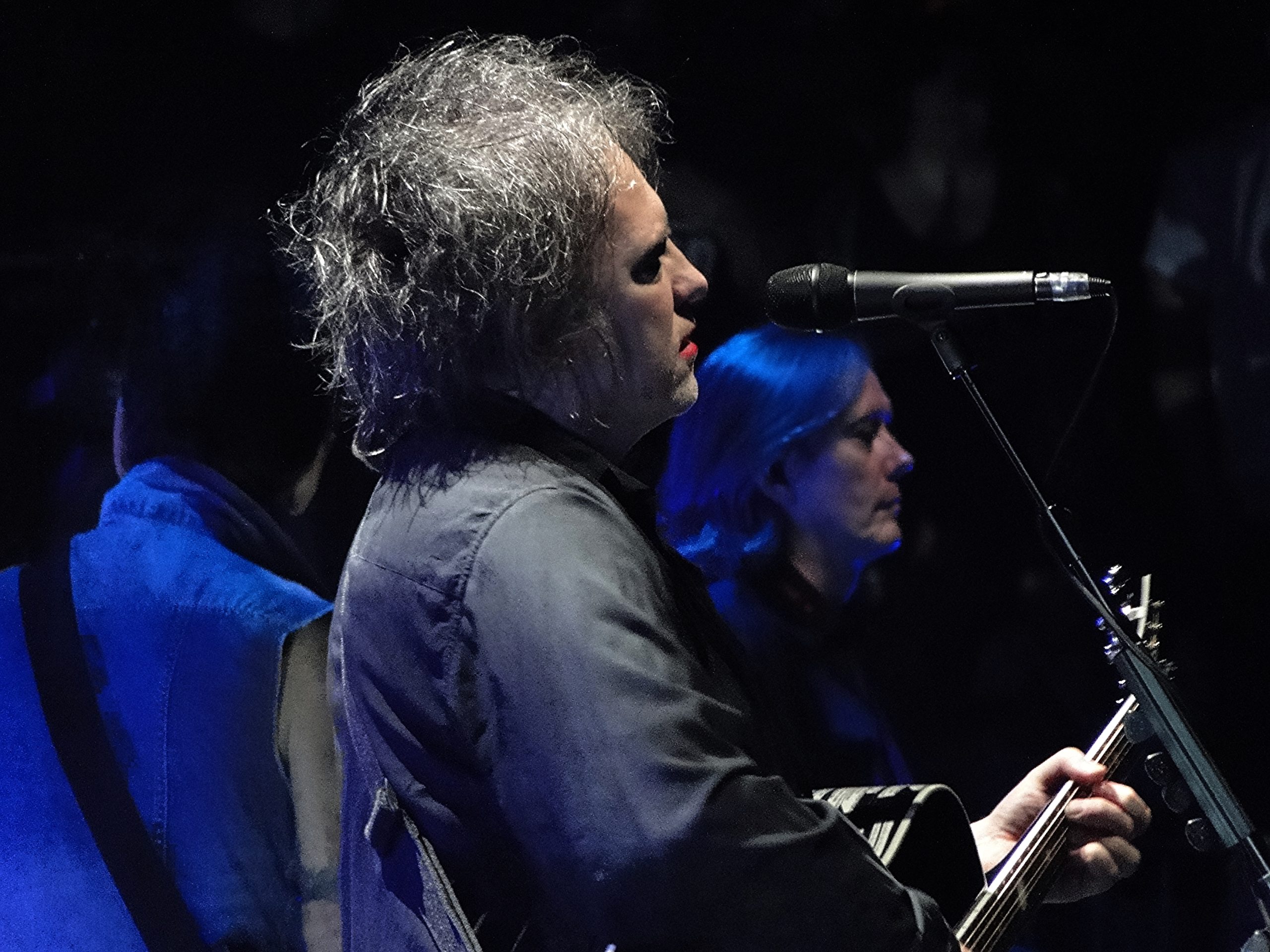
Once they hit a certain shelf age, rock bands tend to wither. It usually starts (and ends) with the lead singer; the inspiration for new and original material dries up, the voice begins to fizzle out, and of course, certain unfortunate opinions which were acceptable in the late 20th century are no longer so and yet refuse to die, often killing their possessor’s cultural relevance in their place. Not so with The Cure, and certainly not so with Robert Smith.
Released at the start of November, Songs Of A Lost World is being widely lauded as the band’s best release since 1989’s Disintegration, an album seen by many as their magnum opus. Listeners have noted the similarities the two share in both their sound and feel. The opening track, “Alone”, sets the tone to follow, with thumping, spacious drums that mingle with warbling strings, echoing keys, and crackling guitar tones in an epic intro that lasts for well over three minutes.
“This is the end,” cries Robert Smith suddenly, a fitting opening line that may well have a vein of truth within it regarding the band’s longevity. Smith’s voice retains its potency to an almost unbelievable degree after nearly fifty years of performance, as do his lyrics, which capture all the same authentic, beautiful melancholy that the band is known for. Many tracks, such as the richly dark “Warsong”, have a similarly lengthy build-up, making the sudden appearance of these incredible vocals all the more electrifying.
One of my favourite tracks, “Drone:Nodrone” is, oddly, one of its least discussed. Featuring a more kinetic sound than much of the rest of the album, with chugging guitars accompanied by a snare which cracks through the spaces between and buzzing synths floating over it all, it was undoubtedly the song which struck me the most on my first listen.
Following this, the pace steadies again with “I Can Never Say Goodbye”, performed with delicate piano notes which rise and fall alongside wistful orchestral strings. A song dedicated entirely to Smith’s late brother, its lyrics are simplistic and sincere.
The album closes with the aptly named “Endsong”. Over ten minutes long, it serves as a suitable swansong for the album, perhaps even, as Smith seemingly alludes to in the first line of the album, for The Cure themselves.
Songs Of A Lost World has all the qualities of the best of the band’s previous output whilst still bringing something fresh to the table. While it’s unclear what the future holds for the group, it’s more than apparent that they still have what it takes to both move and surprise. Eat your heart out, Morrissey.