

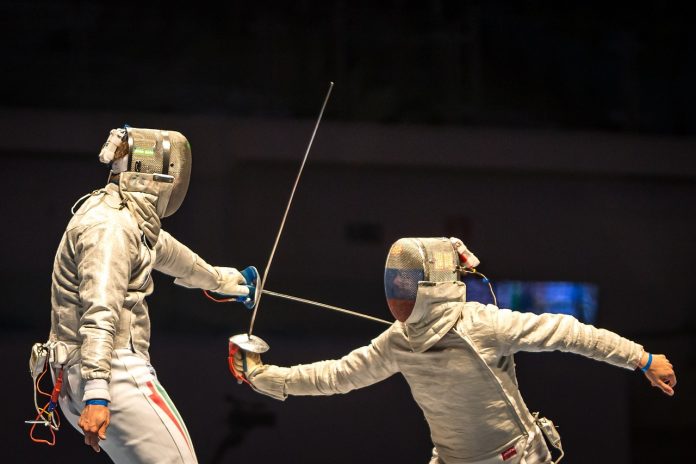
The Egyptian Fencing Federation recently introduced a policy barring women over 23 from competing in international events, sparking significant backlash. This decision, which led to the exclusion of ten female athletes, including Olympic fencer Nada Hafiz, has been criticised as discriminatory.
The Federation has justified the policy as a team-building strategy, stating that it aims to cultivate a new generation of Egyptian fencers for a strong team at the 2028 Olympic Games in Los Angeles. However, this rationale has been challenged by members of the fencing community who see it as a restrictive measure that sidelines experienced female fencers. Francesca Russo, who competed for the USA Women’s Fencing Team at the Tokyo Olympics, commented on an Instagram post about the policy changes:
“I qualified for the Olympics at 25 and was the YOUNGEST member of the team. Even at 25, I felt as though I had not yet peaked in my sport. This decision was clearly made by people with little to no knowledge or care about the sport.”
The Federation’s decision has come under further scrutiny as the same restrictions have not been applied to male fencers, sparking additional accusations of gender-based discrimination.
This announcement follows Nada Hafiz’s recent reveal that she was seven months pregnant during her participation in the 2024 Summer Olympics. Her performance while pregnant garnered widespread praise, highlighting her commitment to her sport and challenging stereotypes about female athletes and motherhood in competitive sports. Critics online argue that the Federation’s policy sets a troubling precedent for female athletes who balance family life with their careers and suspect the policy may even be linked to Hafiz’s pregnancy reveal.
The Egyptian Centre for Women’s Rights (ECWR) condemned the Federation’s decision, calling it “a blatant violation of the rights of Egyptian female athletes.” The ECWR also argues that the ban contradicts Egypt’s Sports Law and constitution, both of which prohibit gender-based discrimination, especially given that no age restrictions have been imposed on male athletes in the national fencing program. The group has urged the Egyptian Ministry of Sports to intervene and compel the Federation to revise its requirements to comply with Egypt’s laws on gender equality.
Women from Egypt’s national team, including Hafiz and her teammates, have taken to Instagram to voice their concerns, posting videos with the statement, “I want to represent the Egyptian Fencing team without discrimination.” Their powerful declarations have garnered thousands of views and international support.
While Egyptian officials have yet to respond publicly to the Federation’s decision and the ensuing backlash, female fencers worldwide are making it clear that this policy will not go unchallenged.
