

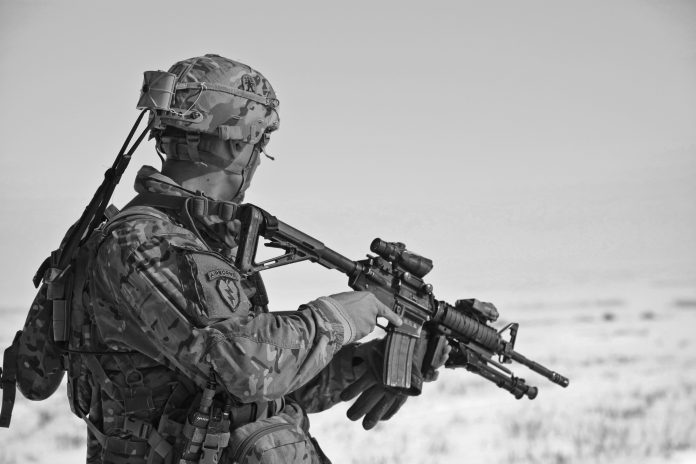
Recent events in the Horn of Africa have drawn attention as Egypt increases its military aid to Somalia, a move that has raised eyebrows in the region, particularly in Ethiopia. The delivery of military equipment, including anti-aircraft guns and artillery, marks Egypt’s second shipment to Somalia within a month. These developments come as regional alliances shift and tensions rise, particularly between Somalia and Ethiopia, former close allies.
Egypt’s Growing Role in Somalia
The Egyptian government’s involvement in Somalia has become more pronounced, especially with the recent military shipments. According to security officials in Mogadishu, the latest batch of equipment was transported by a warship, signaling Egypt’s intention to strengthen its military ties with Somalia. Somali Defense Minister Abdulkadir Mohamed Nur publicly thanked Egypt for its support, though he avoided directly mentioning the military aid in his official communications. This move suggests a growing alignment between Cairo and Mogadishu, a shift that has not gone unnoticed by regional players.
Somalia’s renewed ties with Egypt have alarmed Ethiopia, a country that has historically supported Somalia in its fight against the al-Qaeda-linked militant group al-Shabab. However, relations between the two neighbors have soured recently due to Ethiopia’s decision to lease part of Somaliland’s coastline—a territory Somalia considers its own. This maritime agreement has angered the Somali government, deepening the rift with Ethiopia.
Ethiopia’s Concerns Over Egypt-Somalia Alliance
Ethiopia’s government has expressed serious concerns over the military supplies Egypt is providing to Somalia. Addis Ababa fears that the influx of weapons could exacerbate instability in Somalia, with Ethiopia’s Foreign Minister Taye Atske-Selassie warning that these arms could fall into the hands of militants. This concern is particularly relevant given Ethiopia’s vested interest in Somalia’s internal security, with Ethiopian troops actively deployed in the country as part of an African Union mission.
Further complicating matters is the ongoing dispute between Egypt and Ethiopia over the Grand Ethiopian Renaissance Dam (GERD). Ethiopia’s construction of the dam, which it views as essential for its economic growth, has long been a source of tension with Egypt, a downstream country that relies on the Nile River for its water supply. Egypt’s increased involvement in Somalia, therefore, is seen by many as a strategic counter-move against Ethiopia, using its newfound alliance to apply regional pressure.
Rising Tensions and the Risk of an Arms Race
Egypt’s growing influence in Somalia has not only caused alarm in Ethiopia but also in Somaliland, the self-declared republic that Somalia still considers part of its territory. Somaliland’s foreign ministry released a statement expressing deep concern about the arms shipments, warning that the unchecked proliferation of weapons in an already volatile region could spark an arms race among various factions vying for power.
There is also speculation about the future involvement of Egyptian military forces in the region. Reports suggest that Egypt could contribute as many as 5,000 soldiers to a revamped African Union (AU) force in Somalia by the end of the year, adding further complexity to the security situation. Ethiopia, which already has thousands of troops stationed in Somalia, may see this as a direct challenge to its influence and a destabilizing factor in the region’s fragile balance of power.
Diplomatic Fallout and the Path Ahead
The growing tensions in the Horn of Africa have not gone unnoticed by the international community. Egypt’s recent call for its citizens living in Somaliland to leave for security reasons is a sign of the deteriorating situation, and both regional and global powers will need to monitor the developments closely. Ethiopia, in particular, is facing a difficult balancing act—maintaining its military presence in Somalia while managing diplomatic fallout from the Somali government’s pivot toward Egypt.
In a broader sense, these events illustrate the increasingly competitive nature of geopolitics in the Horn of Africa, where external actors like Egypt and Ethiopia are vying for influence. As Somalia asserts its right to choose its allies, the region is likely to see further realignments and potential conflicts in the months to come.
The Egyptian-Somali alliance, especially in the context of military aid, is reshaping the political landscape of the Horn of Africa. With Ethiopia alarmed by the growing ties between Cairo and Mogadishu, and with ongoing disputes over territorial and resource-related issues, the possibility of heightened tensions and even military conflict remains a pressing concern for regional stability.
