

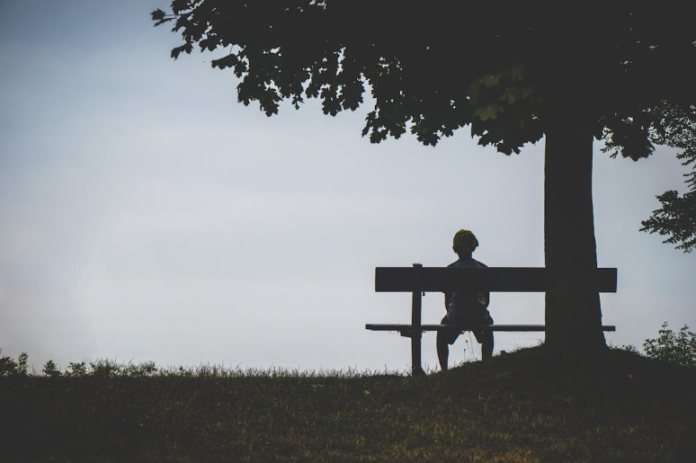
The Scottish winter is truly here, with icy streets and a darkness that settles in earlier each day. It can feel even worse in Aberdeen, where the city’s natural grey seems to mirror the heavy skies above. As I talked to my friends, we all noticed ourselves becoming more insular. Hangouts were less frequent; the group chats were quiet – and it was not just because of the impending due dates. Then, someone brought up Seasonal Affective Disorder (SAD) – not to suggest we were all experiencing it, but just as a passing comment. I was struck and started to think about SAD’s potential impact in a city as dark as Aberdeen.
I thought back to the first time I heard about SAD as a teenager. I had already struggled with my mental health, and I was recommended by a therapist to purchase a certain type of lamp that emulates daylight. She thought it would help ward off SAD, given I had already been struggling and was more at risk of becoming particularly gloomy during the latter part of the year. I had never bought one, until last Christmas, I put it on my list. Moving to Aberdeen created more of an impact than I could have imagined. The Granite City was starting to feel more like grey as we crept into the winter months. Now, I work in front of my SAD lamp every day, and I couldn’t imagine my room without it.
What is SAD?
Seasonal Affective Disorder (SAD) is a type of depression that typically occurs during the darker, colder months of the year, when daylight hours are shorter. Often called “winter” or “seasonal” depression, it follows a similar pattern of symptoms that surround typical depression but is specifically characterised by the lack of exposure to natural sunlight. This can disrupt the body’s internal clock (circadian rhythm), lower serotonin levels (a neurotransmitter that affects mood), and alter melatonin levels, impacting sleep and mood regulation.
Studies have found a host of factors that can impact the likelihood and severity of SAD – including living far away from the equator, a lack of Vitamin D, a history of mental health problems, or, importantly, living in the Northern part of the country. This last factor puts Scots who live in the North far more at risk of developing SAD, particularly as the nights grow longer and colder.
The further North you venture into Scotland, the worse the state of the mental health services becomes. Patients in NHS Grampian and NHS Highland waited more than 1,000 days to start mental health treatment after being referred, with the longest wait being 2268 days (more than 6 years) in NHS Highland. Local patients also had to wait up to 1,043 days in NHS Grampian before they were treated. These shocking wait times are well below the standard from the Scottish Government, which says that 90% of patients should start treatment within 18 weeks of referral.
The North, which is typically more rural, increases its risk of overwhelmed health services. Rural areas are impacted by different types of situational disadvantages, such as poverty, or a less funded school system, that can significantly impact the mental health of those who live there. These pre-existing conditions significantly heighten the risk of SAD, creating further backlog in the treatment of those in the north. Safe to say, the mental health services provided by the NHS further North are not in good condition – and certainly not equipped to deal with the influx of SAD that the Northern climate can create.
The failure of mental health services to meet the rising demand creates a vicious cycle, as inadequate support exacerbates mental health issues, placing even greater strain on an already overstretched system.
I talked to some University of Aberdeen students about their experience with SAD, whether diagnosed or suspected. Some names have been changed for privacy reasons. Tony, a second-year physics student commented on his experience with feeling low: “You know that saying about not trusting the way you feel after 10pm? That’s how I feel for the entirety of winter. Everything is worse, every feeling is more extreme. I definitely feel worse up here in Aberdeen compared to winters spent at home down South. That extra little bit of daylight goes a long way.” Tony did acknowledge the personal benefits of being “down South”: “Maybe that’s just because I am home though. I think it is a combination of both probably.”
Lily, a third-year social science student explains how she preps for SAD: “I suppose it’s just something I expect now. I just feel worse around winter and wait for it to pass. I try make sure I am doing fun things, seeing friends, using coping mechanisms, and using my SAD lamp.”
So, what can you do to help ward off those winter blues? Research suggests there are a few small changes that can be made to impact the severity of SAD. Of course, a synthetic daylight lamp is a wonderful option, but it can be expensive. However, Black Friday sales are still running and could be a great place to find a reduced light. It’s important to get out every day during daylight hours, take vitamin D tablets, and stay true to the things that keep you happy and motivated.
It might be a classic chicken or the egg situation – what comes first, the North’s mental health service issues, or the North’s prevalence of SAD? There’s no definitive way to know, but what is clear is that both factors feed into each other, creating a cycle that leaves individuals vulnerable and unsupported. This issue requires urgent attention and systemic change to ensure no one is left waiting years for the care they need. Without meaningful action, the North’s challenges with mental health and seasonal depression will continue to deepen, further burdening communities who are already facing long winters of darkness.
Resources
▶ Student support is open Monday-Friday during office hours and can be contacted via email, student.support@abdn.ac.uk
▶ During periods when the University is closed, students are encouraged to utilise the Student Helpline which is available 24/7, on 0808 196 2707.
▶ Samaritans are available 24/7, 365 days a year. You can call for free on 116 123.
