

Content warning: domestic abuse, sexual abuse.
Ryan Murphy has been responsible for staples of iconic pop culture in recent years, from cult-classic Glee to the ongoing American Horror Story. He has solidified himself as one of the most prominent writers and producers today—but his new Netflix series has missed the mark in a big way.
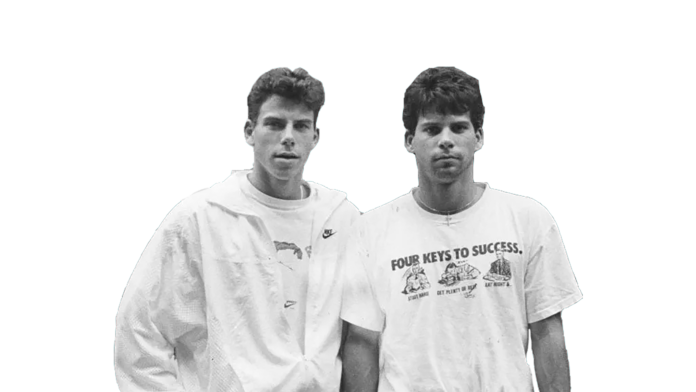
Monsters: The Erik and Lyle Menéndez Story tells the tale of one of the 20th century’s most notorious crimes. The titular pair are American brothers convicted in 1996 of murdering their parents, José and Kitty Menéndez, seven years earlier, which was followed by a trial that captured the US public.
The Menéndez case also highlighted issues of abuse, privilege, and mental health. The brothers claimed they acted due to years of psychological, sexual, and physical abuse from their father, sparking intense media coverage and debate about the justice system’s treatment of male victims. The sensationalism of the court proceedings, including jury politics, fueled polarised opinions about the brothers’ motives and the adequacy of their defence by the fierce Leslie Abramson.
Ryan Murphy has faced criticism for his portrayal of the Menéndez brothers, as many believe he has overlooked the true stories and perspectives of Lyle and Erik. Both advocate for male victims and have been open about their experiences since the trial. By altering key elements, the series misrepresents crucial aspects of the case, such as showing the brothers kissing passionately.
The portrayal of the Menéndez brothers as incestuous is deeply harmful—it reinforces damaging stereotypes about male survivors of sexual assault. These depictions perpetuate belief that male victims ‘enjoyed’ their abuse and imply trauma defines their sexuality or morality. This trivialises the complexities of trauma and can deter men from seeking help due to fear of judgement. It’s vital to handle sensitive topics accurately, a delicate feat Murphy has not achieved.
However, the performances of the actors portraying Lyle and Erik Menéndez (Nicholas Alexander Chavez and Cooper Koch respectively) are truly commendable, standing out as the highlight amid the show’s questionable artistic choices. Their dedication to the roles is evident in the depth and nuance they bring to the characters, capturing their complex emotions and psychological struggles—it shows in their performances that they have done their homework.
Since the release of the series, Murphy has announced that he did not talk to Erik and Lyle and has no wish to contact them going forward. This gross ignorance is apparent in the series, which seems to care more about ratings and falsified drama than telling the stories of victims.
Despite the availability of firsthand accounts and extensive legal documentation, Murphy’s creative choices prioritise spectacle over fact. This casts doubt on the integrity of his storytelling, as well as disrespecting the real individuals involved in this case.
When telling true stories, creative licence is essential to ensure the story can be transferred smoothly from real life to the screen. However, this does not give Hollywood executives the right to cut and paste people’s real lives together until they find an entertaining narrative. The stories of the Menéndez Brothers should be told, and Murphy had an opportunity to educate audiences on unspoken issues, as well as advocate for victims. As usual, he categorically failed to do this. Instead, we are left with a montage of trauma porn and sensationalism.
I truly wanted to enjoy this series and hoped to see the representation that Erik and Lyle deserved. Sadly, and predictably, this show has not delivered.
