

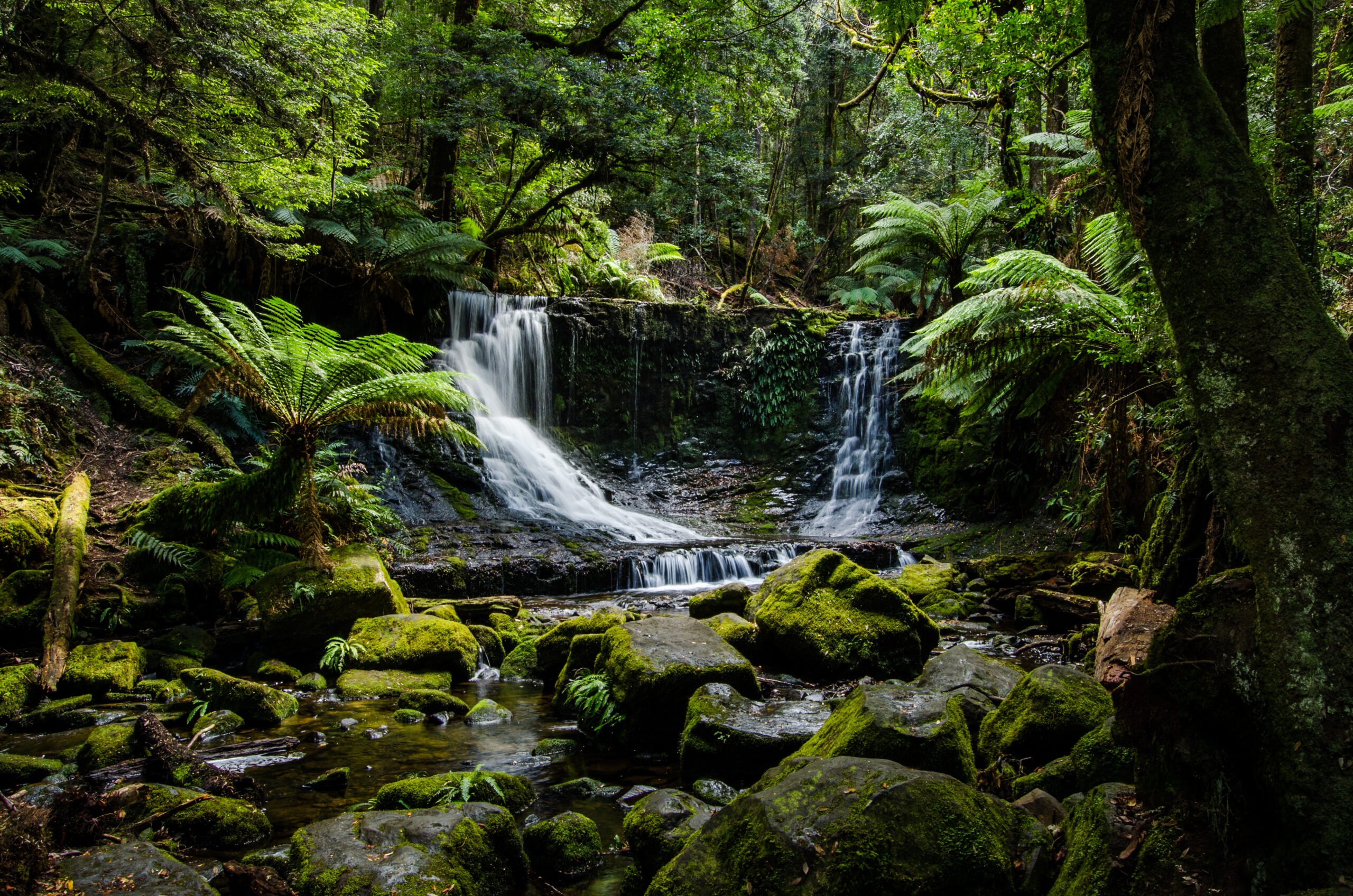
Often referred to as the lungs of the earth, it is well known that rainforests are of great ecological importance. The preservation of these iconic habitats has been prioritised in the fight against climate change for years for various reasons, including protecting the huge biodiversity they store, as well as maintaining their roles as carbon sinks. Rainforests are central to many climate mitigation strategies since they absorb more carbon than they emit. However, in an unexpected twist, recent studies have revealed that our reliance on these forests may be misplaced. In an alarming world first, tropical forests in Queensland, Australia, have started acting in a way that no one could expect; they are releasing more carbon than they capture. It is thought that this flip is a result of our warming climate, and the ramifications of this on climate action plans could be devastating.
Despite only covering around six per cent of the world’s surface, rainforests are immensely important to life on Earth. Sometimes described as the planet’s air conditioner, the cooling effect that these forests have is significant. Capturing more carbon dioxide and releasing more water than other biomes means they produce thick cloud cover that blocks the sun’s UV rays and reflects them back into space. Their climate sequestration is also extensive, with rainforests absorbing 7.6 billion tons of carbon annually, approximately 1.5x the amount that the United States emits in the same time frame. On top of this, around 50% of all terrestrial plants and mammals call this robust habitat home, so managing it is essential for maintaining global diversity. The importance of these environments cannot be overstated, so when one starts behaving in a way we haven’t seen before, it’s definitely a cause for concern.
A rainforest becoming a carbon source rather than a sink sounds like a dystopian impossibility. So how exactly has this happened? When trees die, their trunks and branches become part of the woody biomass of the ecosystem. Fungi then decompose this biomass, a process that emits greenhouse gases into the atmosphere. Usually, the carbon absorption processes outweigh the decomposition of this deadwood, but global warming is tipping this equilibrium. According to a study performed by the University of Oxford, tree death rates in Australia have doubled since the 1980s. A variety of factors have caused this, including record-high temperatures, atmospheric dryness, and drought. An increase in the frequency of extreme weather events like cyclones has also impacted the mortality of the tropical trees. Additionally, these challenging conditions have made regrowth difficult. Similar patterns are being observed in other tropical biomes, including the Amazon, meaning that the implications of this could be colossal.
With global emission reduction targets being partially based on different ecosystems’ ability to absorb carbon, the unforeseen change in Australian forests’ relationship with the gas poses a significant problem. Following the discovery, Dr Hannah Carle from Western Sydney University has stated that current models may be overestimating the capacity of tropical forests to offset fossil fuel emissions. The impact of this could be catastrophic. Many countries may now miss their climate targets, and the global effects of climate change could be accelerated rather than slowed down. Other nations with rainforests may also now need to invest more money into forest protection initiatives to prevent their land from having the same effects.
The recent revelation of a tropical rainforest having net positive carbon emissions represents a significant tipping point in our battle against climate change. With our climate models undermined and scientists caught by surprise, a quick scramble will be needed to have any chance of turning back the tide. Clearly, urgent action is required to prevent more of these ecosystems from falling into the same pattern. But is this possible? And what does it mean for us if it isn’t?