

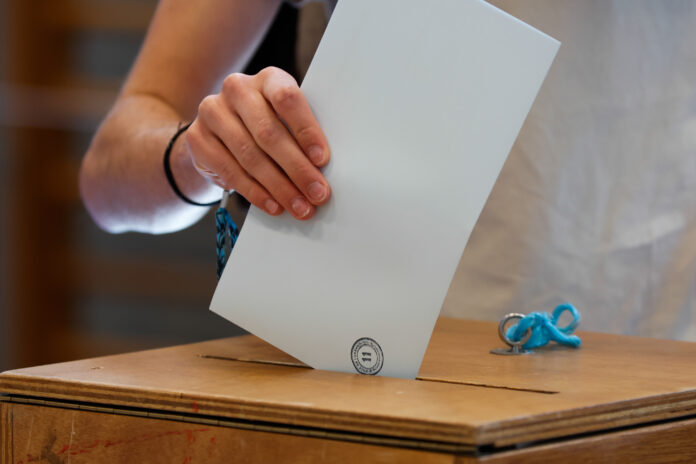
Last month Aotearoa, New Zealand, held its local elections. The results were broadly as expected, with former Labour leader Andrew Little becoming Mayor of Wellington at 56.4% of first preference votes, meaning that for the first time since STV (Single Transferable Vote) was introduced, 2nd preference votes weren’t counted in the mayoral race. Dislike of the incumbent mayor Tory Whanau (Green) not translating to additional support for the right-wing block in the Council, as has tended to happen previously. This means that the left block in the council (Labour and Green councillors) now has the ability to address issues felt within the city, rather than the deadlock of the 50-50 left-right split the council has faced for the previous two terms. They will, however, still be limited as the National government is unlikely to provide funding for development plans. Even if they lose next year’s general election they likely will cancel any investment when they next get back in, see ‘Let’s Get Wellington Moving’ and the National party removing funding for Light Rail in order to build a second tunnel under Mount Victoria.
In Auckland, incumbent Wayne Brown won re-election after being seen as having done a better job than people expected. Because councils in NZ are generally made up of independents, results reflect more how citizens feel about their council’s performance rather than a referendum on the current national government. What is of more interest is the results of the referendum on Māori wards.
One of the early actions of the current government was reversing a change by the previous Labour government which had removed the ability of 5% or ratepayers to block councils establishing Māori wards (modelled on Māori seats in parliament). This led to councils across the country establishing them, however with that change, reversed referendums on their establishment were required to happen during the 2025 local elections. Of the 42 local and regional councils that held votes on keeping Māori wards, 18 voted in favour and 24 against. The trend was for more rural areas to vote against them while cities and areas with a larger Māori population vote in favour.
There are three big takeaways from this: the first is that NZ is still affected by a large rural-urban divide, where opinions in NZs urban centres on key politics not being shared by the rural populations who are often most affected because of changes in those policies. Albeit because that’s where most of the land confiscated during the Land Wars is. Although, this also ties into the second takeaway which is unsurprisingly that in areas such as the Far North District where Māori make up a higher percentage of the population, they will make their voice heard. This is unlikely to lead to National losing seats in these areas, however, as Māori are split roughly 50/50 between the Māori and general roles.
The third takeaway is that the South Island remains further backward on the issue of Māori representation than the rest of the country, while most councils in the North Island had established Māori wards and held referendums, only Nelson, Marlborough, and Tasman councils did so in the South Island. This is partly because Iwi have historically been concentrated in the north of the NZ and therefore there are fewer further South to push for Māori Wards. Additionally, the South tends to be more conservative than the North, leading to councils not bothering in the first place.
With a 33% overall turnout, questions have risen about how engaged ratepayers are with local politics, leading Local Government NZ to call for a review of the current postal voting system. This is particularly important as NZ hovers between a 77-82% turnout for General Elections (the UK is 60-65%) but councils make the decisions that have the most effect on their day to day life.
