

“The apocalypse!” cried the UN chief and the ones before him. “Calamity,” “destruction,” and the “ultimate evil we must all fight”; these are the words now synonymous with the slow-burning Armageddon of our time: climate change.
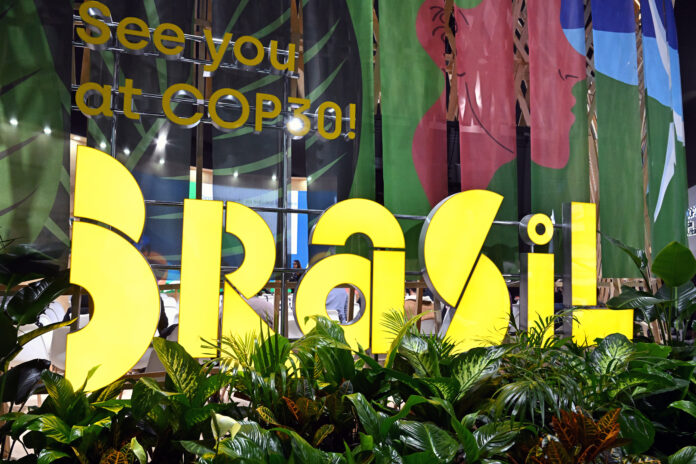
Recently, UN Secretary-General António Guterres issued another warning, declaring that the world is on course to overshoot the 1.5°C global heating limit. His statement comes days away from COP30, to be held in Belém, Brazil, where world leaders will once again gather to discuss climate responsibilities and action plans.
It’s hard not to feel a sense of déjà vu. Since the Paris Agreement entered into force in 2015, nations have pledged to reduce greenhouse gas emissions and “save” the world from the despair of climate change. Yet, ten years later, the world steadily sits on the edge of collapse. The agreement, while historic, is not all its provisions are legally binding, leaving countries free to make promises they conveniently keep.
Time after time, leaders meet to reaffirm commitments they soon forget. Hurricanes intensify, with the recent hit being Jamaica with Hurricane Melissa, while the Amazon continues to deteriorate despite countless pledges to restore it. Further away, deforestation, species extinction, and water shortages, as well as flash flooding and fires, have become everyday news, and yet, action lags behind words.
At the root of it all lies the oldest force known to humankind: profit. The Sustainable Development Goals (SDGs), particularly SDG 13 on Climate Action, overlook the glaring contradiction that many of the same corporations funding sustainability initiatives are also among the largest polluters. The Guardian reports that coal, one of the fossil fuels responsible for global heating, remains the world’s largest source of energy, hitting an all-time high in 2024.
Guterres also highlighted the importance of investing in initiatives that support the “guardians of nature”, Indigenous communities whose ways of life embody balance with the environment. His recognition is profound, yet it also raises uncomfortable questions. When the world’s wealthiest individuals and corporations travel by private jets, exploit natural resources, and make deals that prioritise profits over the planet, do they truly need lessons from Indigenous peoples to understand balance?
Why turn to these guardians now, after centuries of marginalising their knowledge and territories? While including them in climate conversations is a vital step forward, shifting the burden entirely onto them risks making climate change seem like someone else’s problem, an impersonal crisis rather than a shared responsibility.
As Guterres pleads for the world to change course, perhaps the real question is not whether overshooting 1.5°C is inevitable, but whether complacency is. We may not sit in the UN chambers or the COP31 negotiation halls, but we are all participants in this unfolding story. From our consumption habits to the companies we support, each choice either adds to the fire or helps put it out.
The UN chief’s warning is not just another speech; it’s a mirror. And when we look into it, we must decide whether we see passive onlookers of disaster or active guardians of nature and perhaps the galaxy. The future, as always, is in our hands.
