

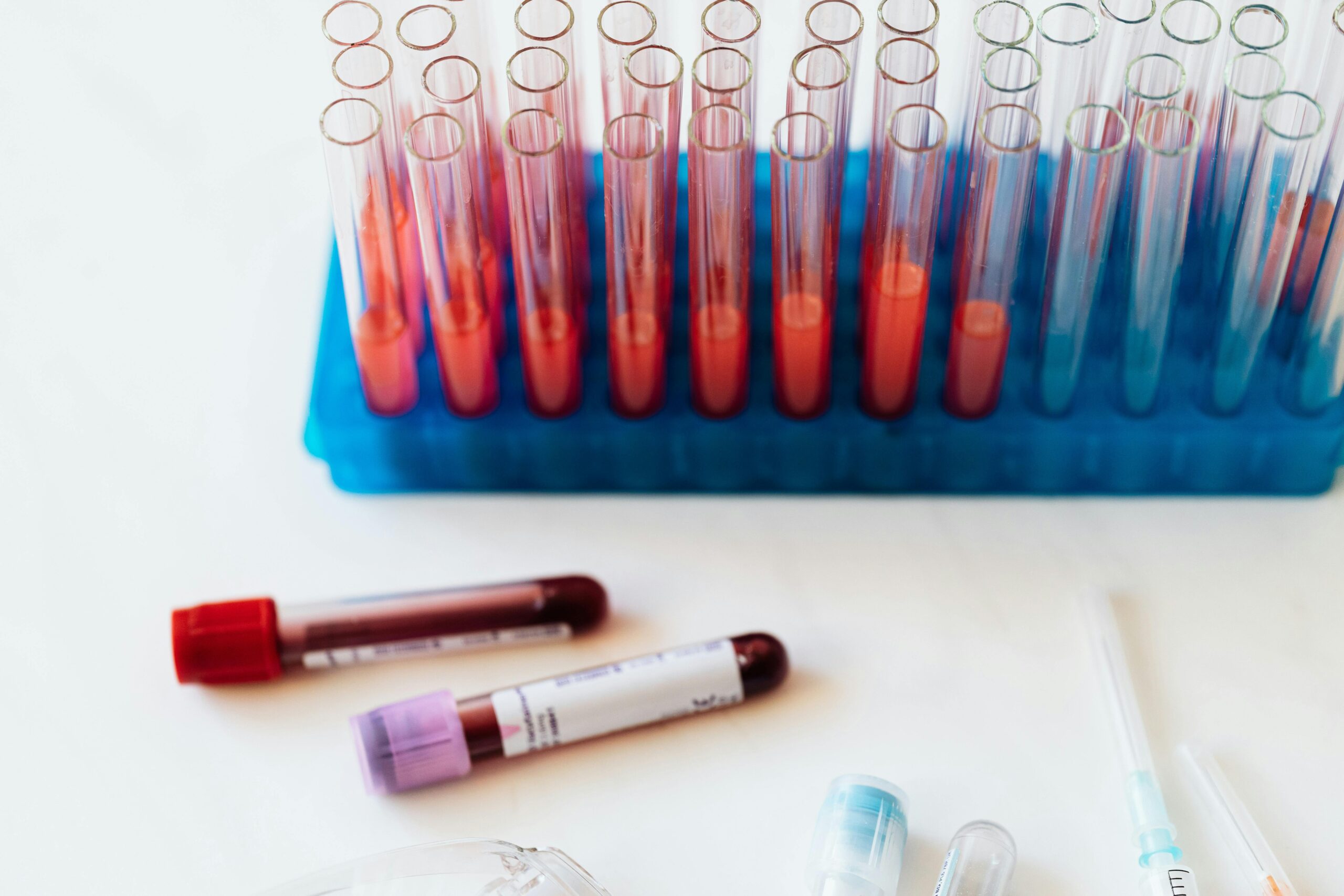
For generations, women’s pain has been systematically dismissed, often labelled as hysteria, emotion, or a simple low pain threshold. The story of endometriosis is a story of this dismissal. Now, researchers are creating a non-invasive test for the condition, a development that could reverse decades of diagnostic delay. Groups like NextGen Jane (NGJ) and academic teams are studying menstrual effluent, long dismissed as “waste”. They now see it as a rich source of biological data, a new fluid that may hold unique cellular and molecular messages about uterine health. This scientific work directly challenges the historical neglect and gender disparity in the field of medicine.
Endometriosis, a chronic condition where tissue similar to the uterine lining grows elsewhere, affects an estimated one in ten women of reproductive age globally and over 1.5 million in the UK. Obtaining a definitive diagnosis is extremely difficult, with the process often including debilitating waits and the detrimental psychological effects of dismissal.
In the UK, the average time from symptom onset to diagnosis has worsened, reaching eight years and ten months, according to a 2024 report by Endometriosis UK, a ten-month increase from 2020. This is not just a statistic; it is years of suffering.
The journey to diagnosis is frequently marked by dismissal. The report showed 78 per cent of women were told they were “making a fuss about nothing” by doctors. Nearly half (47 per cent) visited their GP ten or more times with symptoms, and 70 per cent visited five or more times. This repeated denial of a person’s lived experience amounts to a form of “medical gaslighting,” leading to profound psychological harm. Patients report high levels of anxiety, depression, and a deep-seated distrust of medical professionals. Careers are stalled, relationships are strained, and life plans are put on hold, all while waiting for a name for their suffering.
Symptoms are often mistaken for other conditions, chiefly Irritable Bowel Syndrome (IBS). At present, the only method to confirm endometriosis is laparoscopic surgery, an invasive operation under general anaesthesia. This long delay allows the disease to progress, leading to more severe pain, possible organ damage, and greater fertility difficulties.
The intent of a new menstrual blood test, such as the one NGJ is developing, is to avoid surgery and shorten the diagnostic timeline. Researchers argue that this fluid is a distinct specimen, containing a rich mixture of endometrial tissue and blood that directly shows the condition of the uterus.
This biological product has been largely ignored until recently. Immunologist Renate van der Molen notes the fluid is often seen as “dirty, a bit stinky and useless,” creating an “ick” factor that has slowed research. This societal taboo created a scientific blind spot. Yet, researchers like Christine Metz of the ROSE project call it a “real treasure.”
Unlike venous blood, menstrual fluid contains tissue from the endometrial lining and companies like NGJ are analysing its DNA, RNA, and proteins. They have found clear differences in messenger RNA (which instructs cells on protein production) between women with and without endometriosis, suggesting the disease’s molecular fingerprint is apparent in the fluid. Other researchers are examining the proteome (the full set of proteins) and even the microbiome present in the fluid, believing it holds a complete picture of the uterine environment.
A non-invasive, home-collected sample is also much easier to obtain, similar to the Cologuard test for colon cancer screening. This logistical simplicity removes barriers to care for women who cannot easily take time off work or who live far from specialist centres.
So, what is at the root of the diagnostic delay for endometriosis? It is a direct result of gender bias, but the problem runs deeper; it is a form of epistemic injustice, a philosophical concept in which a person is wronged in their capacity as a knower, that operates in two ways. First is testimonial injustice, where a person’s word is given less credibility due to their identity. The 78 per cent of women told they were “making a fuss” is a stark statistic of this. Their testimony about their own bodies was actively discounted.
Second is hermeneutical injustice. This occurs when a group lacks the shared words to describe their experiences because they have been excluded from the institutions (such as medicine and research) that create those terms. For decades, endometriosis existed in this gap. It was a severe, systemic disease without a readily available diagnostic language, often mislabelled by a male-dominated medical field as “bad periods” or “psychosomatic” pain.
This history is why women’s health issues are seriously underfunded. In 2020, only 5 per cent of global research and development funding was for women’s health, with just 1 per cent for non-cancer conditions. Medicine’s default to the male body has serious effects: women are 50 per cent more likely to be misdiagnosed after a heart attack because their symptoms are less understood. Groups like the MESSAGE project are now working with funders, including the NIHR, to address this issue, but the legacy is long.
The prolonged diagnostic period carries heavy financial and social costs. The delay costs the UK economy an estimated 8.2 billion pounds annually. This staggering figure is not abstract. It represents hospital admissions, repeated surgeries, and prescription costs. It also includes the massive, often uncounted economic blow from lost productivity, as individuals are forced to reduce their hours or leave work. It does not even account for the informal cost of care provided by family and friends. Moving from surgical diagnosis to a simple test is therefore a clinical and economic requirement.
The new focus on “femtech” and diagnostics, such as menstrual blood testing, marks a hopeful turn for health equity. By treating menstrual blood as a valid data source, these projects dispute the long-held assumption that female bodily processes are too variable for scientific study.
This work supports policy changes. The UK government has included gynaecological problems in its Women’s Health Strategy. Patient groups like Endometriosis UK are calling for a target diagnosis time of one year or less by 2030.
However, when charting a course for equity, there are always hurdles, and the path for these new diagnostics is no exception. Femtech companies face significant barriers. They must navigate the stringent regulatory approval processes of bodies like the UK’s MHRA. They also face a funding challenge; in a venture capital world still dominated by men, securing investment for “women’s problems” remains disproportionately difficult. Finally, there is the institutional hurdle: convincing a sceptical medical establishment to adopt and trust a new diagnostic method that springs from a source it has historically ignored.
The methodologies developed have uses beyond this one condition. Menstrual blood could be used to track hormones, screen for other gynaecological cancers, and monitor systemic diseases. This science, often driven by women-led groups, points toward a future where medicine offers proactive, equitable diagnoses based on a complete picture of human biology, rather than just managing suffering caused by neglect.