

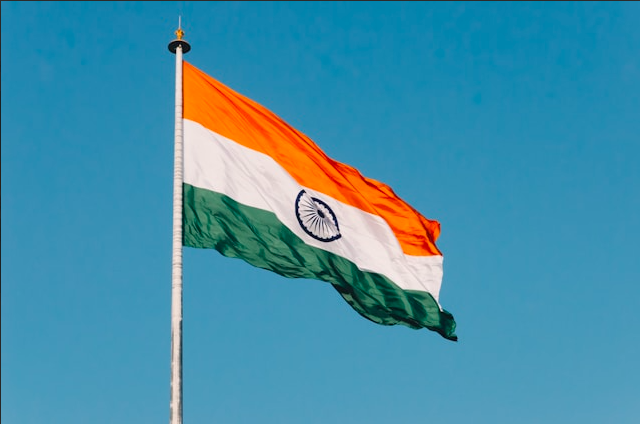
On August 23rd, PM Modi visited Kyiv, urging Zelensky to hold peace talks with Moscow through ‘practical engagement’. After sharing ‘bear hugs’ with Putin on a widely questioned trip to Moscow earlier this year, an underlying sense of discomfort couldn’t be denied during the talks. Whilst refraining from criticising Russia, the PM conveyed his assistance in all possible ways to aid with a resolution to the conflict.
“We have stayed away from the war with great conviction. This does not mean that we were indifferent,” Modi told reporters. Agreeing to deepen bilateral relations with Ukraine could symbolise a significant shift in India’s foreign policy away from Moscow.
As a new world superpower, India’s non-alignment policy has served it well in maintaining its strategic autonomy in international relations. In the age of ‘Vishwa Bharat’, India wishes to increase its influence as a mediator between competing blocs by engaging with all sides. Whilst becoming more economically connected to the USA, India has maintained a close link to Moscow. Russia has been a reliable ally, supporting its geopolitical interests in the region and sovereignty of Kashmir. Russia has vetoed UN intervention into the region on an issue it maintains is an ‘internal matter for India’.
Similarly, India has refrained from commenting on Russian disputes. This commitment to support each other has been forged through many treaties, more recently the ‘Special and Strategic Partnership’ in 2010. 65% of India’s weapons are purchased from Russia, along with much of its military equipment which makes Russia a crucial partner in securing its military future. There are also strong economic ties through imports of agriculture, technology and oil.
As prices soar in the West because of sanctions, India has preserved a favourable flow of affordable oil that ensures energy security for its economy whilst much of the world struggles. These benefits have made it undesirable for India to condemn Russian advances into Ukraine, regardless of its Western allies imploring an end to its ‘balancing act’ and adopting their preferred stance.
Modi’s visit to Ukraine, the first of any Indian PM, acts as a signal that India doesn’t wish to side with any particular party. The Ukrainian President said on X that he and Modi had honoured “the memory of the children whose lives were taken by Russian aggression”.
The thriving relationship with the West is something India cannot take for granted, as the mounting threat from China, which is also closely associated with Moscow, requires a counterbalance. Showing sympathy for the loss of young lives and devastation, the Indian delegate has put forward a plan to support the Ukrainian forces and work on a range of social and developmental projects in future.
This has ensured that India can maintain its commitment to the West as a trustworthy and neutral mediator. It also signifies a greater interest for India in getting involved in the underserved economies of Eastern Europe, emerging markets with many opportunities for future trade. India’s balanced position is well understood by the Russians who don’t seem to be critical about the gradual involvement of India in Ukraine, seeing this as minor and necessary to maintain their global standing.
As far as India maintains its dialogue with Moscow and can balance Western pressure, there seems no threat that relations with Ukraine could threaten relations with Moscow. However, as Russia becomes crippled by sanctions and drifts closer to becoming a Pariah state, Western pressure may make it too costly to maintain ties with Moscow.
